
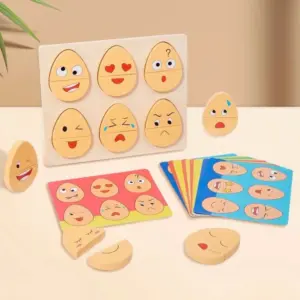
Point to the Feeling. Name It. Own It.
Sometimes feelings are too big for words. This wheel helps.
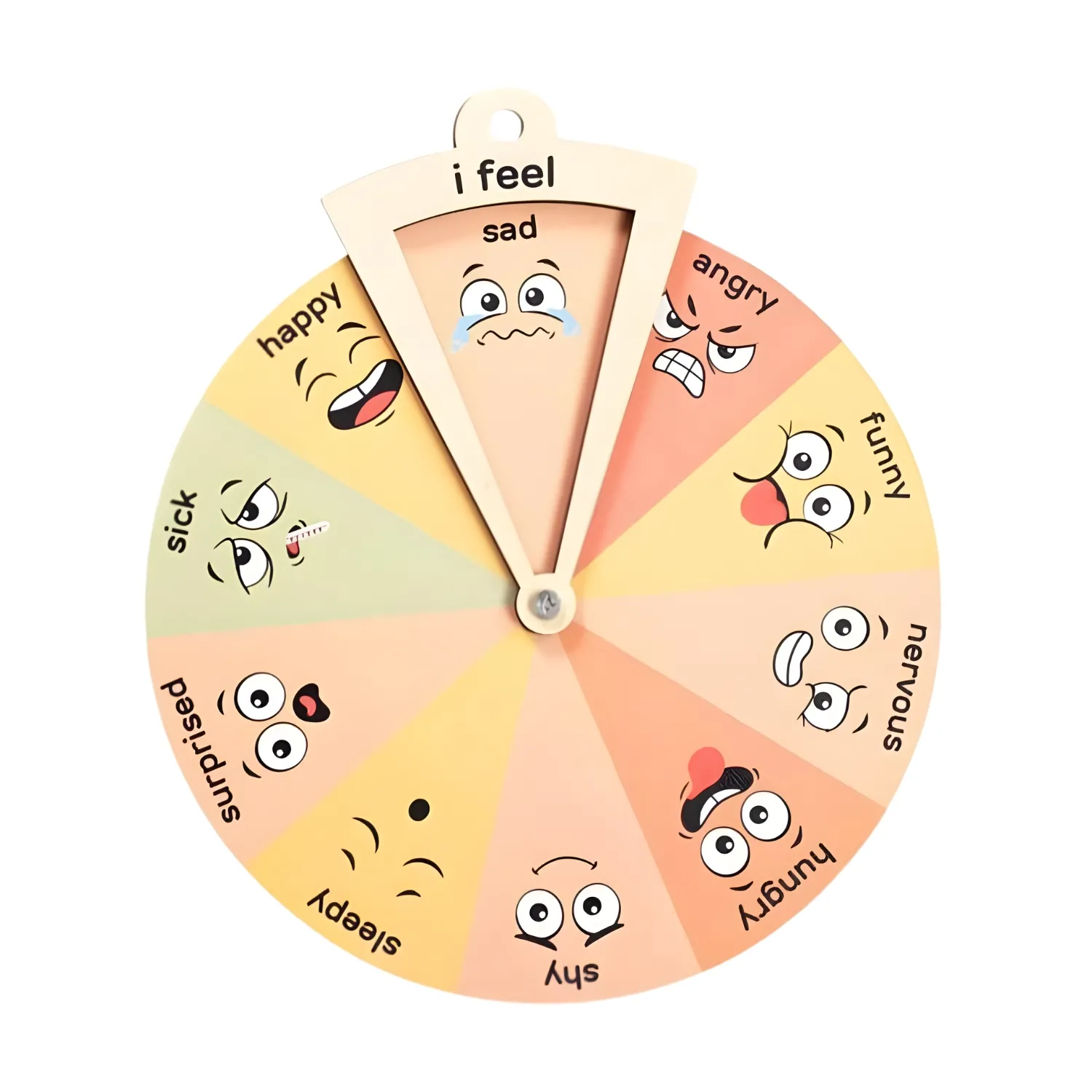
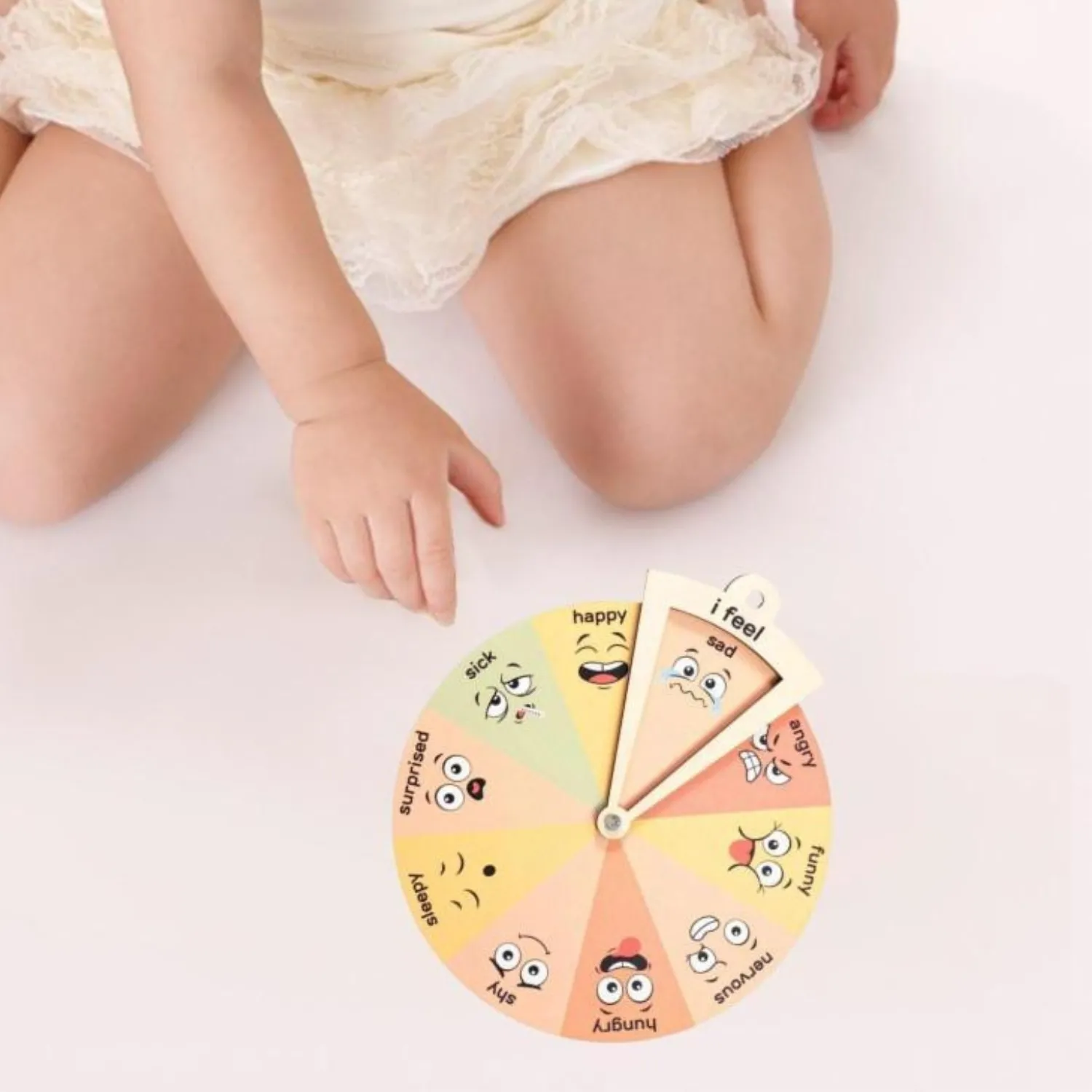
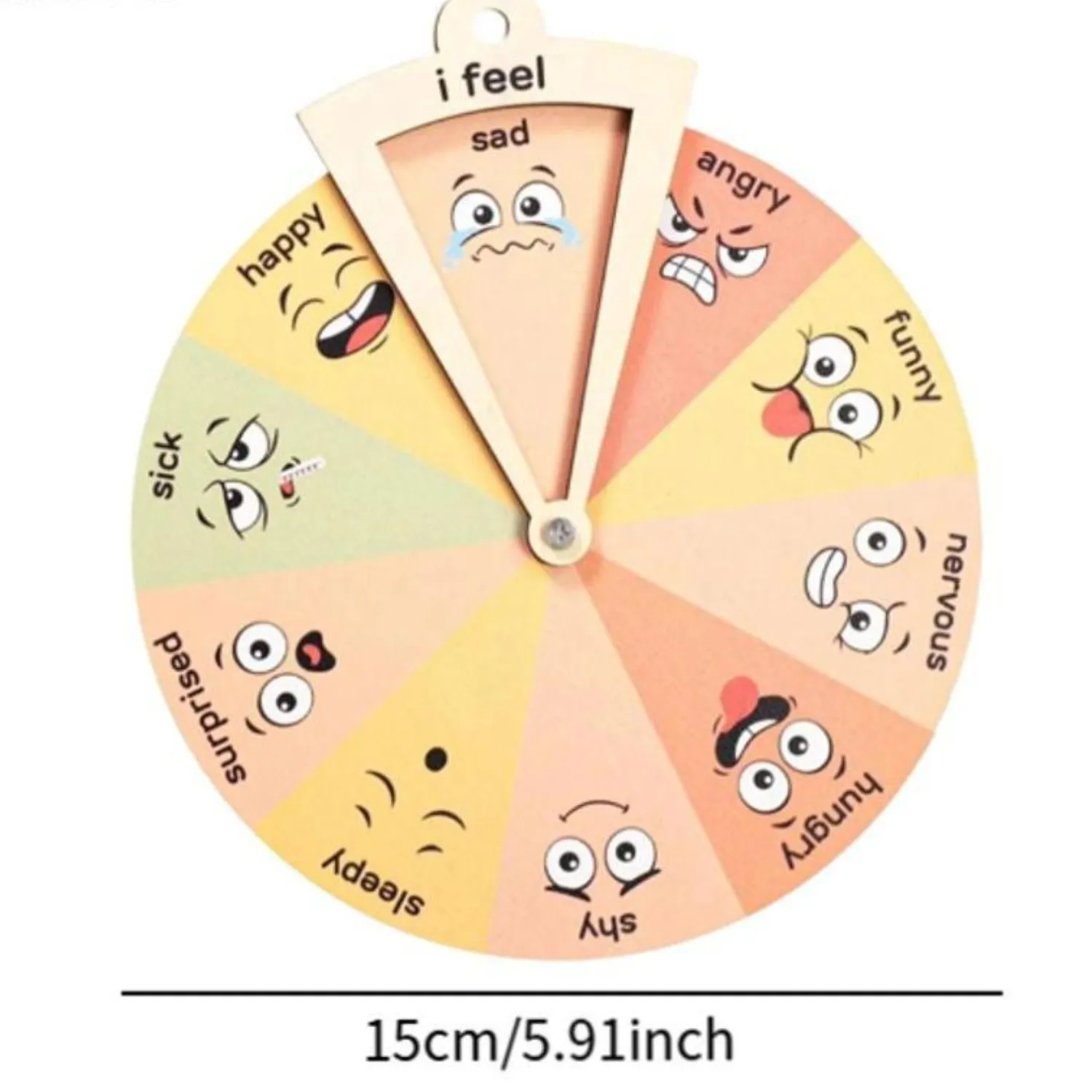
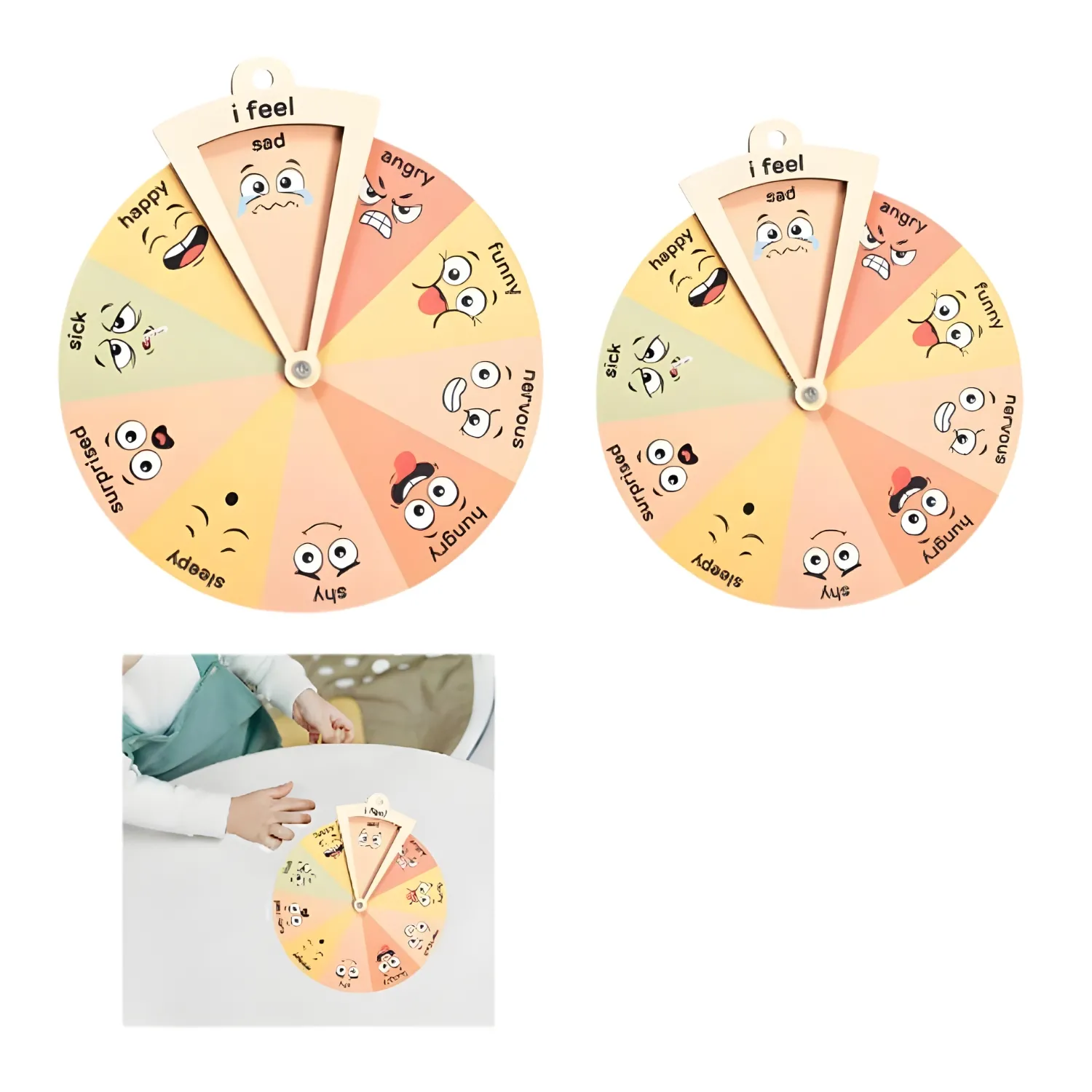
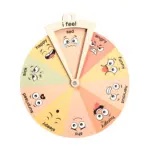
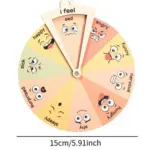
The Kukoo™ Wooden Emotion Wheel gives children a simple, beautiful way to express what’s happening inside. Ten emotions circle around expressive faces—happy, sad, angry, funny, nervous, hungry, shy, sleepy, surprised, sick. The wooden “I feel…” pointer swings to land on exactly what they’re experiencing. No pressure to explain. Just point, and the conversation begins.
Warm sunset tones—soft peach, gentle coral, muted yellow, calming mint—create a wheel that feels inviting, not clinical. Each emotion features a cartoon face they’ll instantly recognize: the tearful eyes of “sad,” the gritted teeth of “angry,” the wide eyes of “surprised.” Feelings become visible, nameable, shareable.
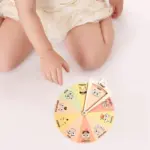
Hang it on the wall. Keep it by the breakfast table. Bring it to bedtime. Wherever big feelings live, this wheel belongs. It’s the tool that turns “I don’t know” into “I feel nervous”—and that’s where understanding starts.
How do you feel today? Bring home the ‘Emotion Wheel’ and give every feeling a voice.
Why Parents (and Little Feelers) Love It:
🎯 Point, Don’t Explain: When words fail, the pointer speaks. They simply move the arrow to show their emotion—no pressure, no performance.
🌅 Warm, Welcoming Colors: Sunset-inspired pastels make every emotion—even anger and sadness—feel safe and approachable.
😊😢😠 Ten Core Emotions: Happy, sad, angry, funny, nervous, hungry, shy, sleepy, surprised, sick—the everyday feelings kids need to name.
🪵 Hang Anywhere: A built-in hook at the top makes wall mounting easy. Bedroom, kitchen, classroom—put it where feelings happen most.
💬 Conversation Opener: “I see you pointed to ‘nervous.’ Want to tell me about it?” The wheel starts talks that matter.
How to Play: The Daily Check-In
1. Morning Mood (Routine): Start each day with a spin. “Move the pointer to show how you feel this morning!” A 10-second ritual that builds emotional awareness.
2. Face Matching (Beginner): Point to each face. “Look at these eyes—how do you think this face feels?” Build emotion recognition before personal check-ins.
3. After-School Spin (Processing): “How was your day? Show me on the wheel.” A gentle way to open up about school experiences without interrogation.
4. Bedtime Reflection (Routine): “Before sleep, let’s check in. How does your heart feel right now?” Helps process the day and transition to rest.
5. Conflict Resolution (Social): “You seem upset. Can you show me on the wheel?” When tensions run high, the wheel provides a calm, neutral way to communicate.
Specs & Safety
In the Box:
- 1 x Wooden Emotion Wheel (with movable “I feel…” pointer)
- Built-in hanging hole for wall mounting
Technical Specifications:
- Material: 100% Natural Solid Wood (Birch/Plywood)
- Finish: Non-toxic, water-based ink printing; child-safe varnish
- Design: Movable center pointer; warm pastel color palette; expressive cartoon faces
- Emotions Included: Happy, Sad, Angry, Funny, Nervous, Hungry, Shy, Sleepy, Surprised, Sick
⚠️ Safety Warning:
- Age Recommendation: 2 years+ (with adult guidance); 4+ years (independent use)
- Note: They might point to “hungry” for every check-in. Fair enough—sometimes that IS the main feeling! And when they spin the pointer just to watch it wobble back and forth? That’s okay too. The wheel is there when they need it. No pressure, no timeline. Feelings move at their own pace.


Books posters and this is our favorite.