
Sensory Toys – Wooden Montessori Sensory Play
Wooden sensory toys nurture calm, focused exploration through sound, texture, movement, and cause-and-effect discovery—supporting sensory integration and self-regulation. Sustainable FSC-certified wood with non-toxic, water-based finishes meeting ASTM F963/EN71 safety standards.
Showing 1–16 of 17 results


Showing 1–16 of 17 results
Trusted by 5,000+ Montessori families · Designed around sensory integration principles
Quick Buying Guide (by sensory focus):
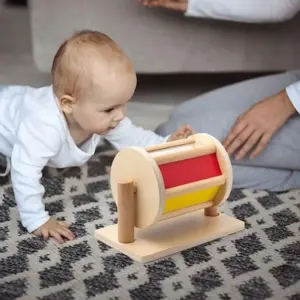
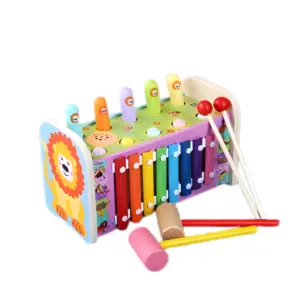
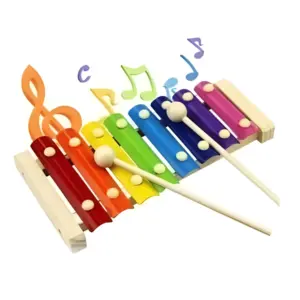
- Sound & rhythm toys — for auditory processing Wooden Xylophone, Wooden Musical Hammer & Xylophone, and Wooden Rotating Drum each invite your child to produce intentional sound and begin to understand pitch, rhythm, and cause and effect through hearing. Best from 6 months onward as grasping develops.
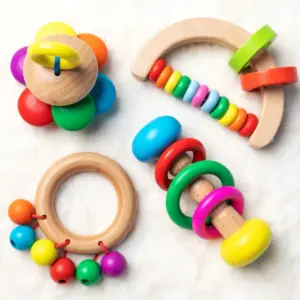
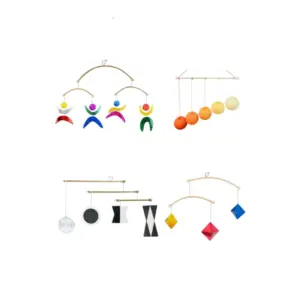
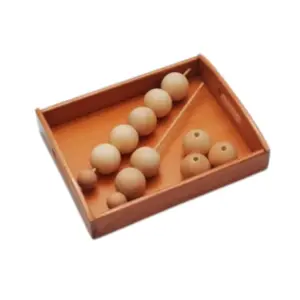
- Tactile & grasping toys — for touch and early motor development Colorful Wooden Baby Rattle Set, Montessori Mobile Set, and Wooden Bead Threading Tray Set are built for the earliest stage of sensory exploration — varied textures, weights, and shapes that give small hands something real to feel and hold. The Mobile Set is appropriate from birth; rattles from 3 months as reaching begins.
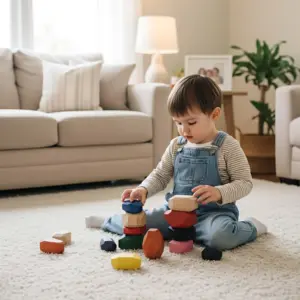
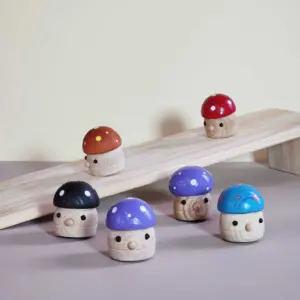
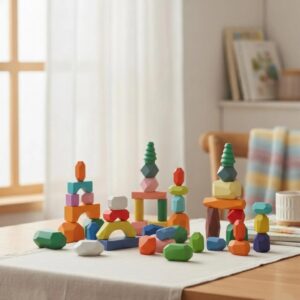
- Movement & balance toys — for vestibular and proprioceptive development Multicolor Balancing Stones, Wooden Rainbow Stacking Stones, and Wooden Mushroom Walking Slide Toy Set all engage your child’s sense of body position and movement — weight distribution, spatial awareness, and coordination through hands-on physical challenge. Best from 12 months onward.
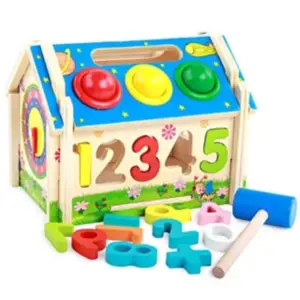
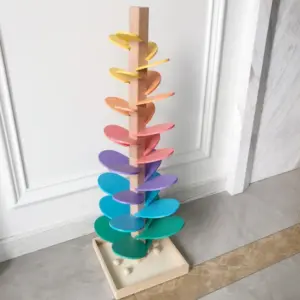
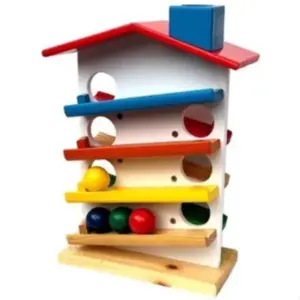
- Cause & effect toys — for cognitive and sensory integration Wooden Ball Drop Toy, Montessori Wooden Spinning Disc Tower, and Montessori Wooden Activity House combine motor action with a predictable sensory outcome. Drop the ball, watch it roll. Spin the disc, feel the resistance. Each repetition reinforces the neural connection between action and result.
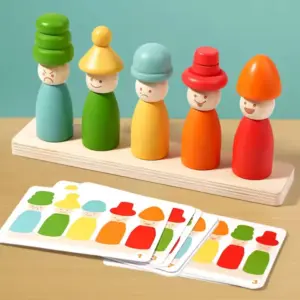
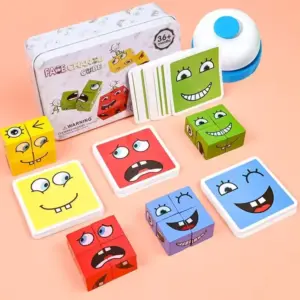
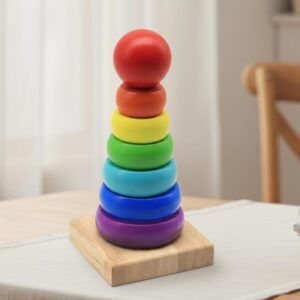
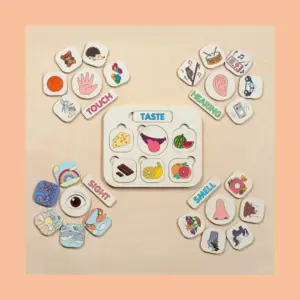
- Visual & multi-sensory boards — for pattern recognition and sensory vocabulary Wooden Five Senses Learning Board, Color & Emotion Recognition Toys, Classic Wooden Montessori Rainbow Tower, and Cube Face Change Building Blocks each work across multiple sensory channels at once — visual matching, color discrimination, and tactile engagement combined.
- Best age fit: This collection spans birth to 3+ years, with the richest starting point for babies in the 0–12 month window when sensory exploration is the primary mode of learning.
Always supervise play and check each product page for recommended age details.
🌿 Sustainable wood · 🎨 Water-based paint · ✅ Screen-free play · 🔄 30-day returns
Inside the Kukoo Sensory Toys Collection
All products share a common design principle: natural, predictable sensory feedback delivered through 100% wood. What varies across the collection is the sensory channel targeted, the motor demand required, and the developmental stage matched.
The collection covers four primary sensory areas:
- Auditory — xylophones, drums, and hammer toys that connect physical action to tonal sound, building auditory discrimination and rhythm awareness from the earliest months.
- Tactile and proprioceptive — rattles, bead sets, and threading trays that develop grip, texture sensitivity, and the hand-position awareness children need for all fine motor work that follows.
- Vestibular — balance stones, stacking sets, and the walking slide toy that engage your child’s sense of movement, weight, and spatial orientation — the sensory foundation for coordination and physical confidence.
- Visual and cognitive — matching boards, color tools, and rainbow towers that develop visual discrimination, pattern recognition, and early classification skills.
Together, these categories support the full range of foundational sensory skill development that Montessori philosophy places at the center of early childhood learning.
For children who are also ready for object tracking and early logical reasoning, our object permanence toys pair naturally with sensory play at the 6–12 month stage. As balance and coordination develop through 12–24 months, our wooden stacking toys build on the same physical awareness established here.
Why Kukoo Montessori Is the Best Choice
- Natural materials, authentic sensory experience — wood provides texture, weight, and warmth that plastic cannot replicate. The sensory input is richer, more varied, and calmer on the nervous system
- Predictable feedback, not overstimulation — every sound, movement, and tactile response in this collection is natural and consistent. No random electronic sounds, no flashing lights, no unpredictable stimulation that dysregulates rather than develops
- Spans birth to 3+ years — the collection covers the full early sensory development arc, so you’re not replacing toys every few months
- Multi-channel engagement — most products in this range engage more than one sensory system simultaneously, which research shows produces deeper neural integration than single-channel stimulation
- FSC-certified wood, non-toxic finishes, ASTM & EN71 certified — every piece built to the same safety standard across the Kukoo range
- 30-day returns
Not sure where to start? Explore every toy collection organized by what your child is ready to learn.
FAQ
- What age should sensory toys start?
From birth. The 0–3 month window is often overlooked because babies aren’t mobile, but their visual and auditory systems are developing rapidly from day one. A wooden mobile provides visual contrast and gentle movement. A small rattle introduces cause and effect before grasping develops. Sensory play doesn’t wait for your child to sit up.
- How is wooden sensory play different from plastic?
Wood provides a fundamentally different sensory experience: it has natural grain and texture underhand, authentic weight in a small fist, and subtle warmth that plastic doesn’t hold. Research in sensory processing consistently shows that natural materials produce a calming physiological response in children — the opposite of the arousal response triggered by bright plastic and electronic sounds. For sensory-seeking or sensory-sensitive children in particular, the difference is significant.
- Which toy is best for a baby who seems easily overstimulated?
Start with the simplest, most predictable options: the Colorful Wooden Baby Rattle Set or the Montessori Mobile Set. One action, one outcome. No unexpected sounds or movements. As your baby builds tolerance and regulation, introduce cause-and-effect toys with slightly more complexity. The goal is always “just enough” stimulation — challenging without overwhelming.
- How long should sensory play sessions be?
Follow your child’s lead entirely. Young babies may engage for 3–5 minutes before needing a break. Older toddlers often repeat a sensory action 20–30 times in a single session as they process and integrate the input. That repetition isn’t boredom — it’s the work. Interrupting it prematurely is one of the most common mistakes parents make with sensory play.
- Are these toys suitable for children with sensory processing differences?
Natural wooden toys are particularly well-suited for children with sensory sensitivities because the input is consistent and predictable. Many occupational therapists recommend open-ended wooden sensory materials specifically because they allow the child to control the intensity and duration of stimulation. Always consult your child’s therapist for individualized guidance.
- At what point should I add more complex sensory toys?
When your child has clearly mastered the current challenge — completing it easily, without sustained interest. That’s the signal to increase complexity, not a fixed age. A good rule of thumb: introduce one new sensory toy at a time, alongside one familiar one, so there’s always something achievable and something to stretch toward.