how to choose authentic montessori toys

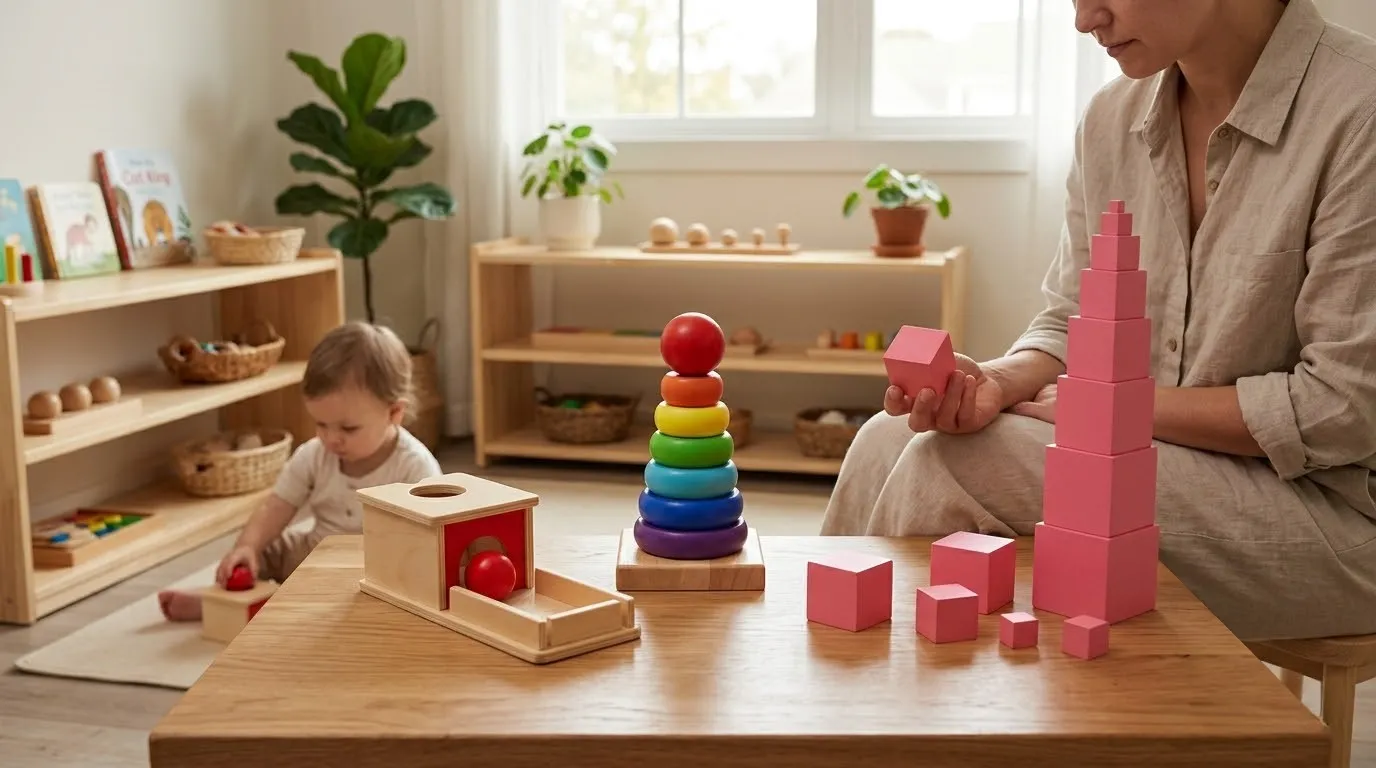
How to Choose Montessori Toys: A Complete Buyer’s Guide

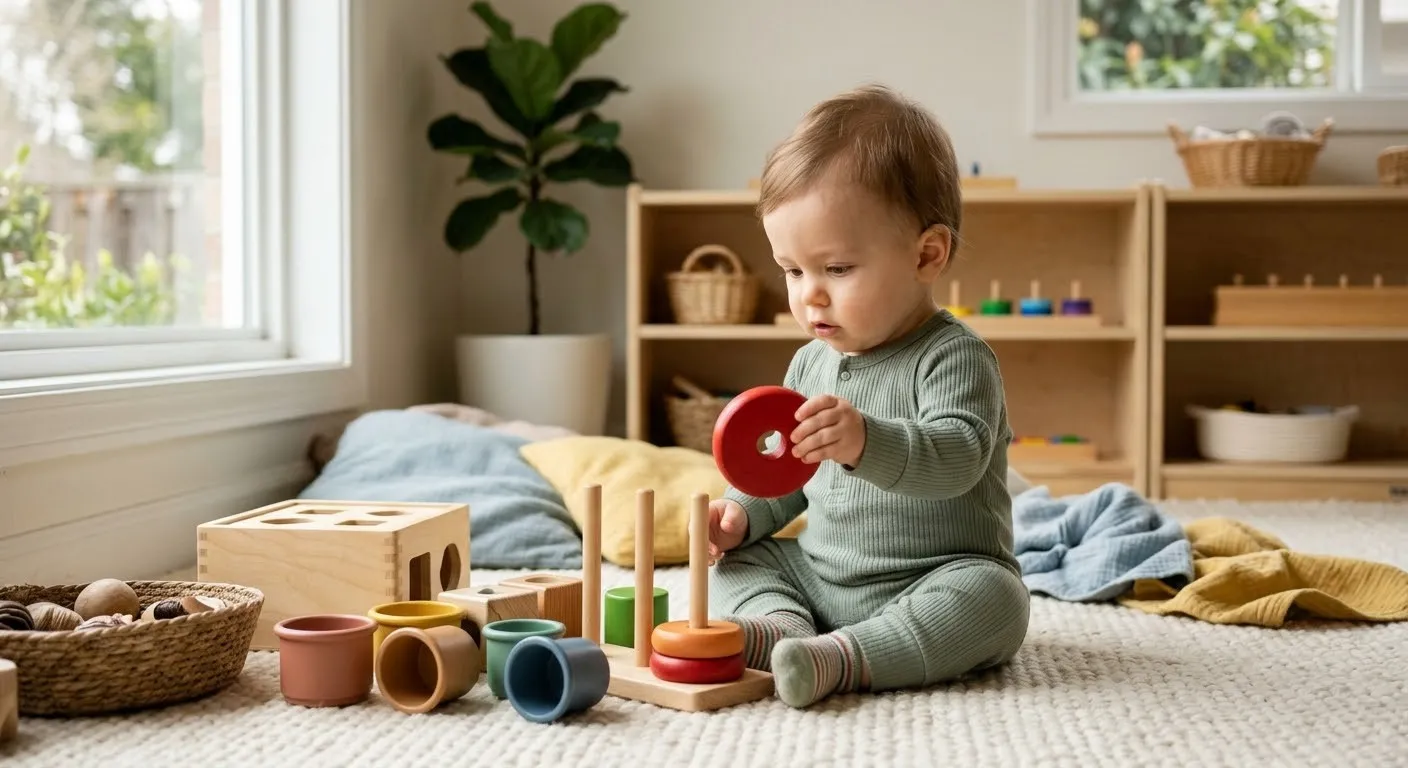
Search “Montessori toys” and you’ll find hundreds of results — most of them wooden, most of them expensive, and many of them using the word “Montessori” as a marketing term rather than a design description. This guide gives you a practical system for cutting through the noise: what the real criteria are, how to spot […]
montessori at home

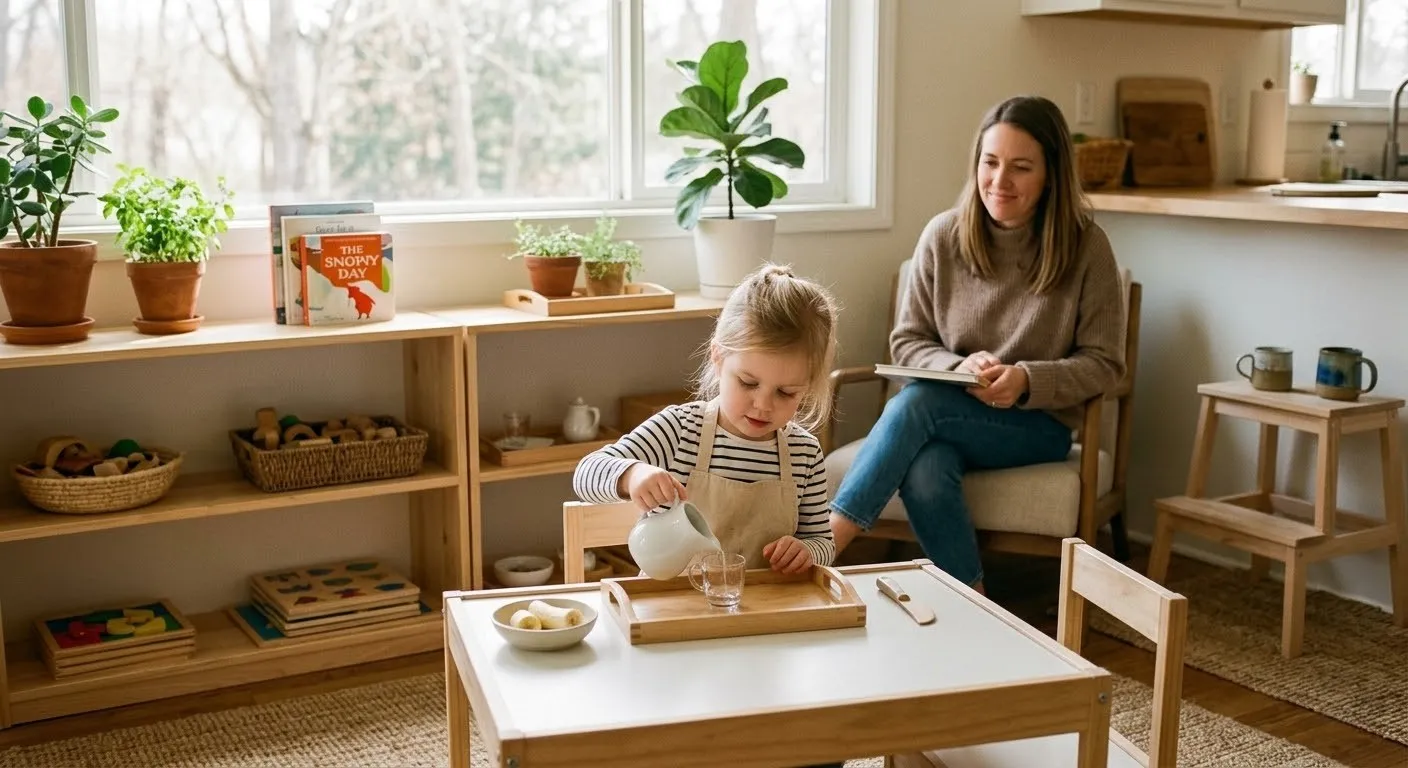
Montessori at Home: The Honest Guide for Real Families

You just closed a “Montessori home tour” on YouTube — glowing wooden shelves, zero plastic toys, a two-year-old focused for twenty minutes with a small pitcher. You look at your own home: plastic toys, TV running, breakfast bowls unwashed. You close the tab. That feeling isn’t Montessori failing you. It’s content marketing failing Montessori. The […]

5 montessori principles

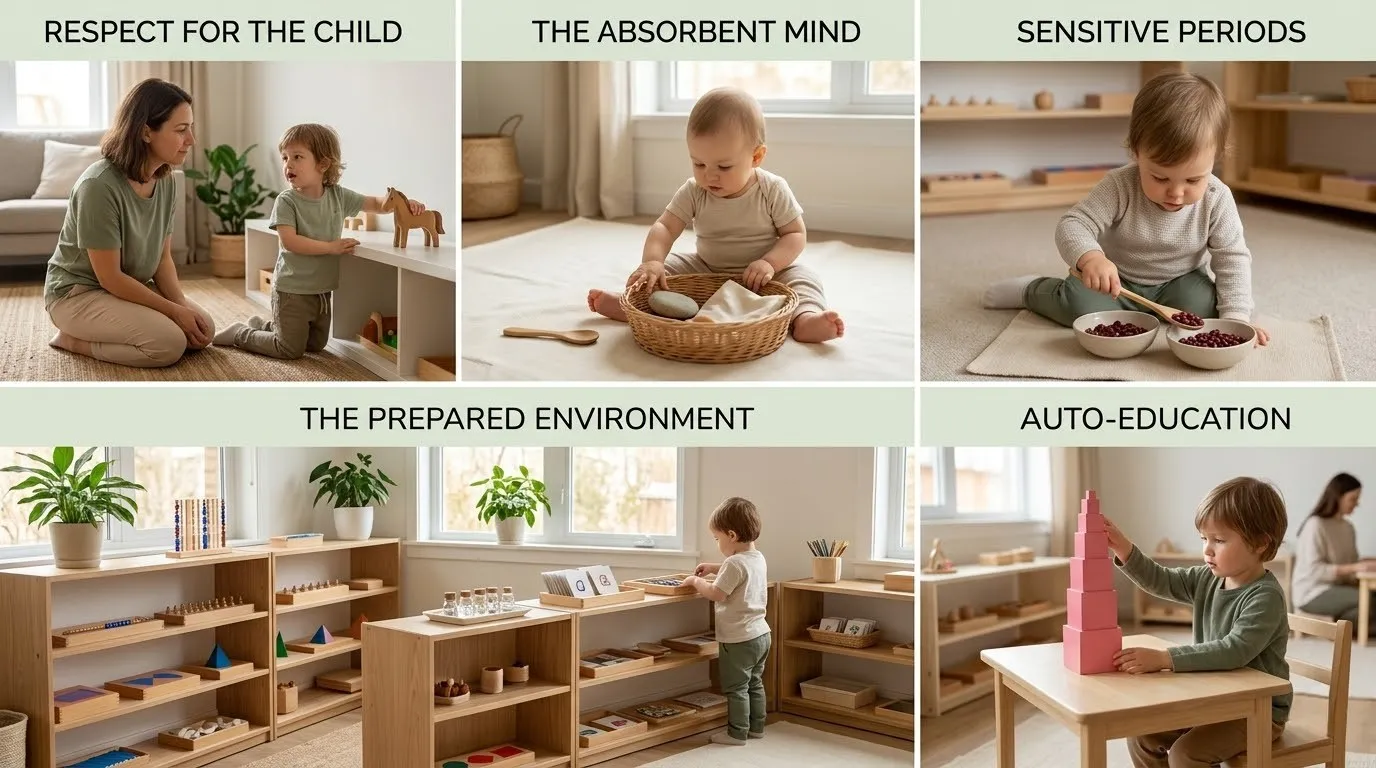
The 5 Montessori Principles Explained Through Daily Practice

A four-year-old is trying to tie her shoes. She’s been at it for four minutes. In a traditional response, an adult steps in — here, let me do that — and it’s done in ten seconds. In a Montessori response, the adult pauses, watches, and only steps in if genuinely needed. That difference isn’t a […]

baby in the sensitive period

Montessori Sensitive Periods: The Complete Guide to All 6 Windows

Your two-year-old melts down because you moved her cup to a different spot. Your toddler crouches on the sidewalk, absorbed by a tiny ant. Your son wants the same book read — again — for the fourteenth time. And every time you try to button his coat, he pushes your hands away: “No. Me do […]

a mom is cleaning wooden montessori toys

How to Clean Wooden Montessori Toys Safely (Complete Care Guide for Parents)

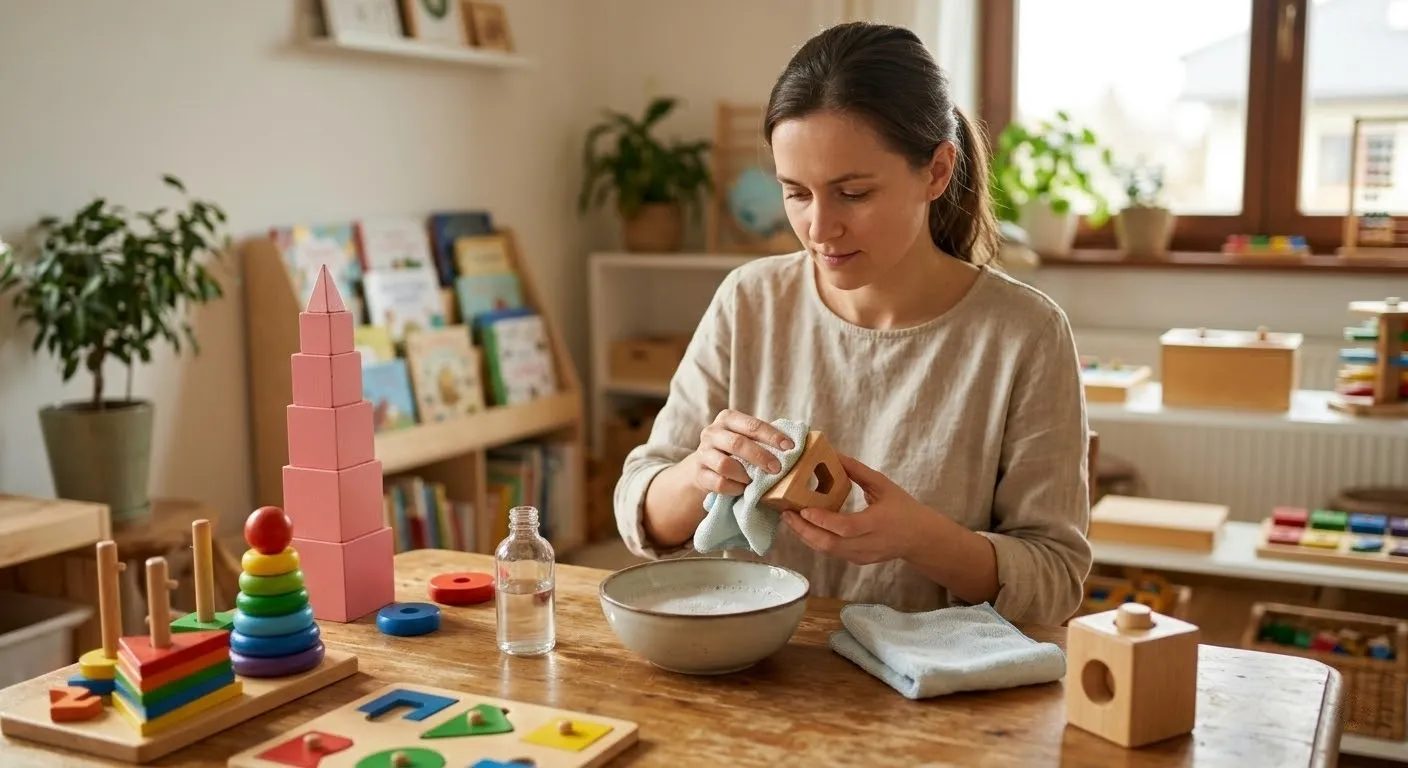
Wooden Montessori toys are designed to last for years, but toddlers put them in their mouths, drop them on floors, and use them during messy play. Naturally, you want to keep these toys clean and hygienic. How to Clean Wooden Montessori Toys Safely?To clean wooden Montessori toys safely: wipe with a damp cloth using mild […]

why wooden toys feel different from plastic toys

The “Size-Weight Truth” : Why Weight Matters in Wooden Toys for Toddlers

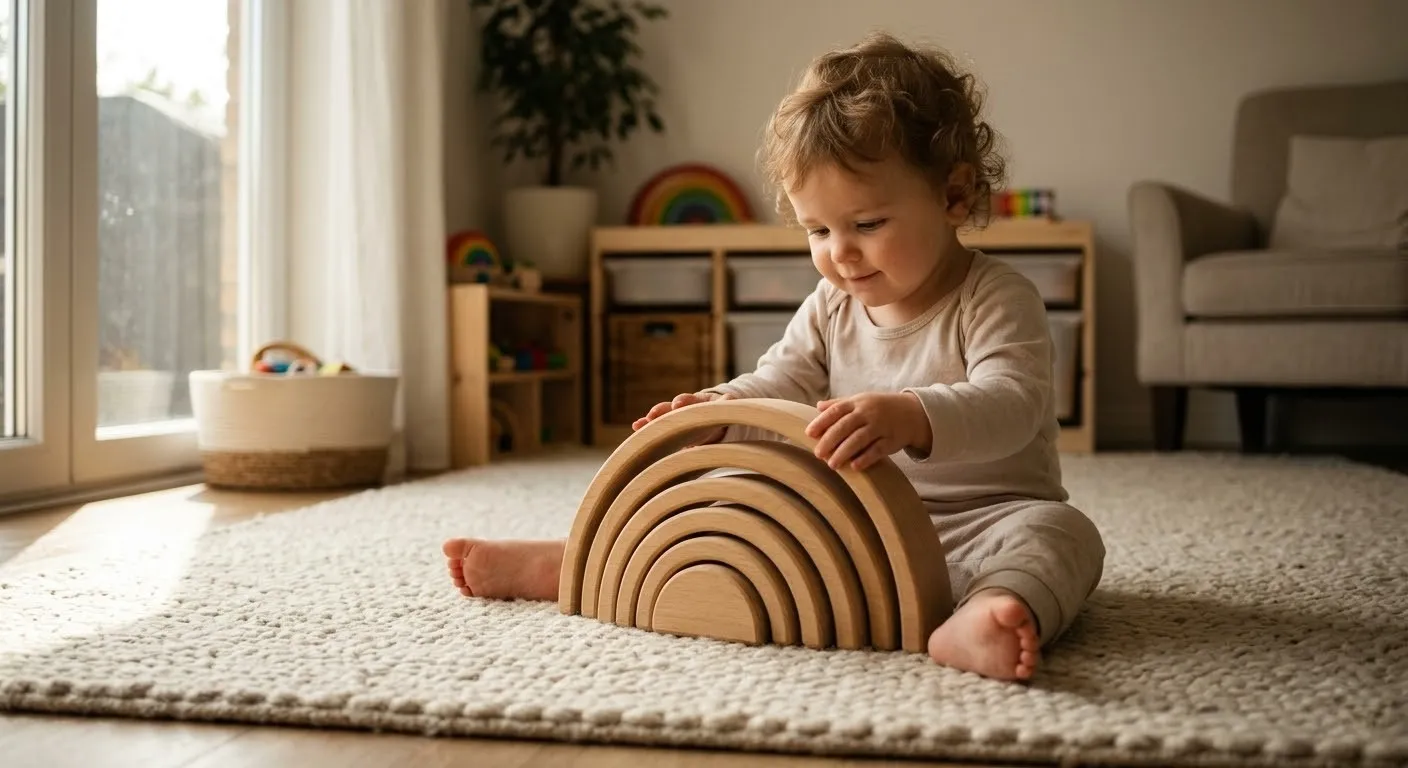
Many parents notice that wooden toys often feel heavier, denser, and more substantial than plastic toys. At first glance, that might seem like a small detail. But for toddlers, toy weight is not just about feel—it’s part of the learning experience. Toy weight matters for toddlers because they learn through physical handling. Wooden toys provide […]

why are wooden toys more expensive

Why Are Wooden Toys More Expensive? The True Cost Breakdown

Many parents notice that wooden toys often cost two or three times more than plastic toys. This naturally raises an important question: Why are wooden toys more expensive than plastic? Wooden toys cost more due to 6 compounding factors: premium solid hardwood (10–20× more expensive than plastic pellets per unit weight), hand-sanding and multi-step assembly, […]

the difference between mdf and solid wood

Why We Avoid MDF in Montessori Toys (Safety, Durability, and Montessori Philosophy)

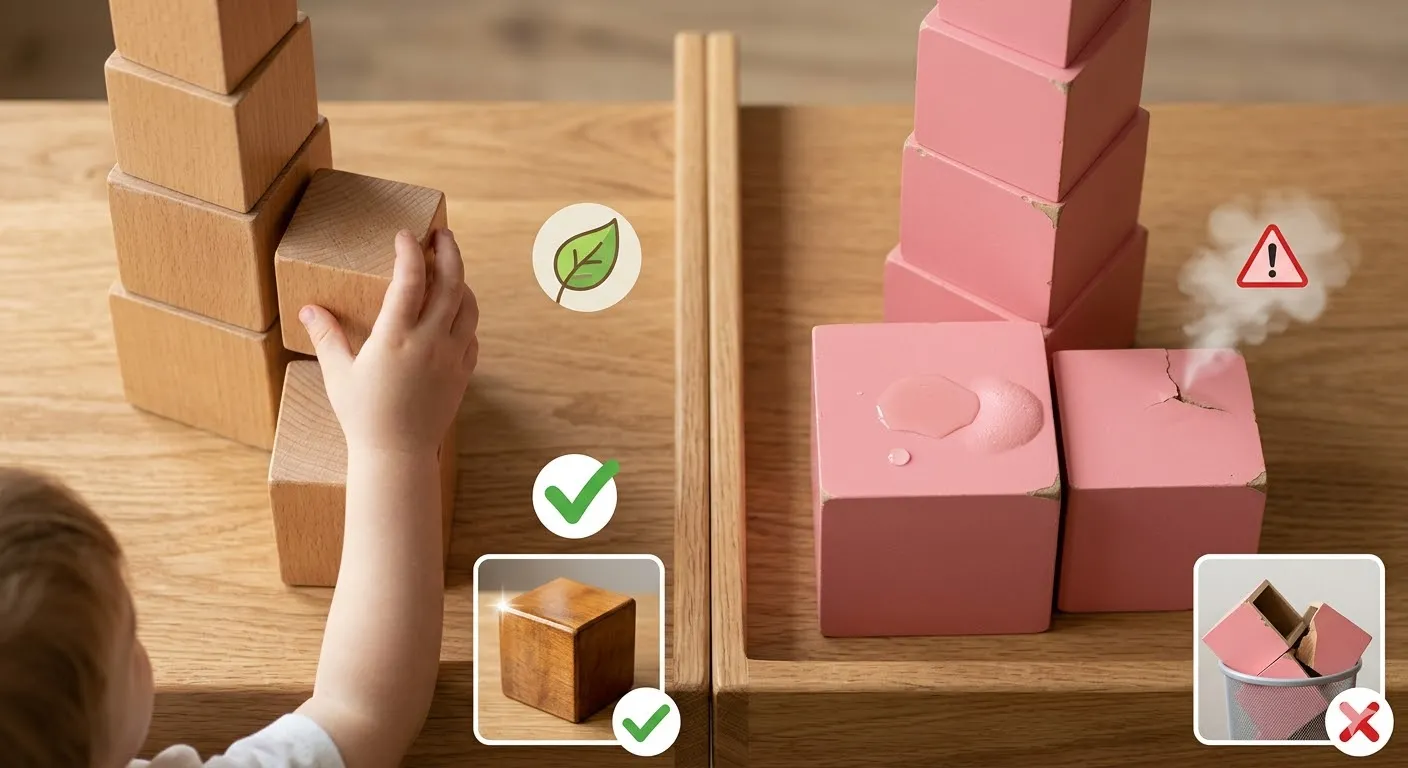
We avoid MDF in Montessori toys because it contains chemical adhesives that may release formaldehyde, deteriorates quickly under moisture and impact, and lacks the natural texture children need for sensory development. We use solid wood and quality plywood instead—safer, more durable, and true to Montessori philosophy. Parents want toys that are safe, durable, and genuinely […]

astm f963 vs en71 a parent friendly guide to toy safety standards

ASTM F963 vs EN71: A Parent-Friendly Guide to Toy Safety Standards

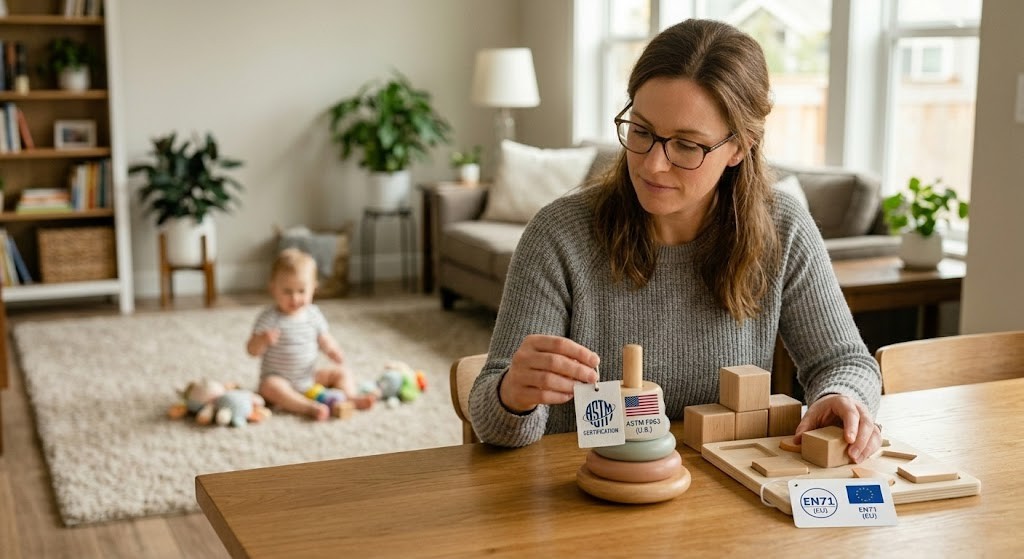
ASTM F963 and EN71 are two major toy safety standards used in the United States and Europe. Both set requirements for mechanical safety, chemical limits, flammability, and labeling. While they share similar goals, their regulatory frameworks and compliance requirements differ. Understanding these differences helps parents shop more confidently — and choose toys that genuinely support […]

why wooden toys feel calmer sound texture and overstimulation

Why Wooden Toys Feel Calmer: Sound, Texture, and Overstimulation

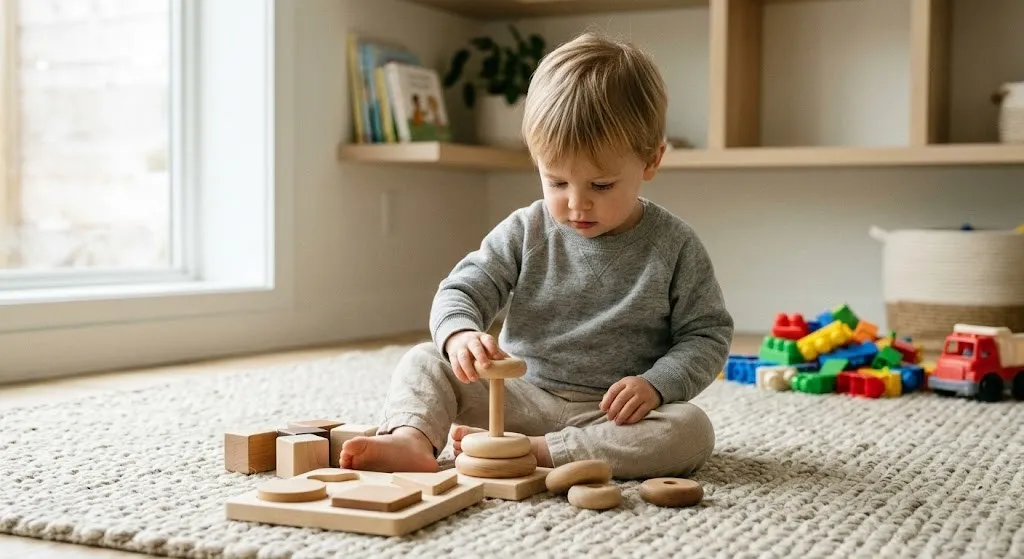
Wooden toys often feel calmer because they typically produce softer sounds, provide natural tactile feedback, and avoid electronic overstimulation. While calmness depends more on design than material alone, simpler, non-electronic toys can support better sensory regulation and sustained attention in early childhood. If you’ve ever wondered why wooden toys feel calmer than many plastic alternatives, […]