
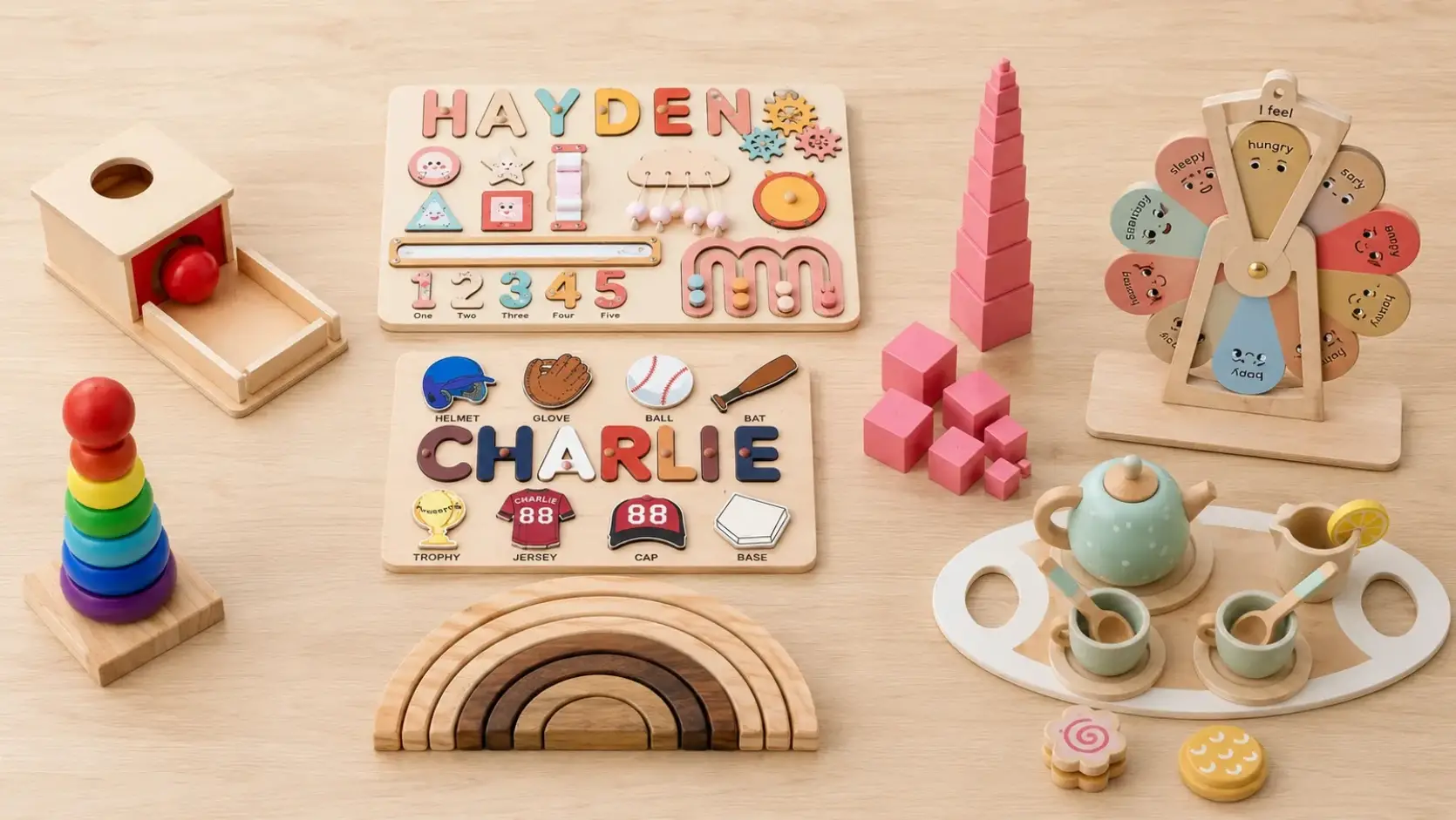
You decided to start Montessori. You opened a browser tab. An hour later you have seventeen items in your cart from four different websites, a subscription to a play kit service, and no idea whether any of it is right for your 9-month-old. This is the problem nobody solves.
The answer is simpler than the internet makes it seem. A Montessori starter kit needs four to five toys — one per developmental domain — chosen for the specific age window your child is in right now — because the toys that produce deep engagement at 9 months are wrong for 15 months, and vice versa. This guide gives you exactly that: three kits, three age windows, with the developmental rationale for why each toy earns its spot.
What should be in a Montessori toys starter kit?
A Montessori starter kit needs 4–5 toys — one per developmental domain. Not 15. Not a subscription box. Just these five categories covered: cognitive (object permanence, cause-and-effect), fine motor/sensorial (hand precision, sensory discrimination), movement/practical life (real-world competence, independence), language/pre-literacy (vocabulary, symbol recognition), and creative/auditory (sound discrimination, self-expression). The specific toys change by age. The framework stays constant.
What Makes a Good Montessori Toys Starter Kit — The Domain Framework
A Montessori starter kit is not a collection of popular wooden toys. It is a set of 4–5 activities that together cover every developmental domain your child needs — with nothing duplicated and no domain missing.
| Domain | What It Develops | Why It Must Be in the Kit |
| Cognitive | Object permanence, cause-and-effect | Conceptual development; how the child understands the world |
| Fine Motor / Sensorial | Hand precision, sensory discrimination | Physical foundation for writing, dressing, self-care |
| Movement / Practical Life | Real-world competence, bilateral coordination | The drive to do real things independently |
| Language | Vocabulary, symbol recognition, pre-literacy | Sensitive period for language is active birth–6yr |
| Creative / Auditory | Sound discrimination, self-expression | Whole-brain development cognitive + motor alone can’t cover |
The minimum viable kit: 4–5 toys covering all domains above. Two toys in the same domain = wasted slot. Zero toys in a domain = a gap in the prepared environment.. Why subscription boxes often miss this: a subscription sending 8 toys per month often contains 5 fine motor items and 1 cognitive item. Domain imbalance produces a “well-stocked shelf” with developmental gaps.
| The most common pattern I see with families new to Montessori: they buy everything at once, put it all on the shelf, and their child ignores most of it — because the visual overload of 15 options prevents the focused engagement that makes each toy actually work. When I recommend starting with four or five well-matched items, concentration happens almost immediately.— Zoe Paul, AMI Teacher Trainer (0-3) |
How to Know Which Kit Is Right for Your Child
Age labels on packaging are safety minimums, not developmental prescriptions. Three questions match you to the right kit:
1. Is your child mostly stationary or independently mobile? Sitting/floor-based → Kit 1. Walking/cruising → Kit 2 or Kit 3.
2. What is their dominant hand activity? Whole-hand grasping, banging → Kit 1. Deliberate posting, pincer grip → Kit 2. Fastening, sorting by category → Kit 3.
3. What is their language doing? Babbling, first words → Kit 1. Vocabulary explosion → Kit 2. Sentences, “why” questions → Kit 3.
Between stages? Choose the kit matching current abilities. A slightly simpler kit producing deep engagement is more valuable than a slightly advanced kit producing frustration. Once the starter kit is established, the age-organized collections show the full range of materials matched to each stage — so expanding beyond the starter kit follows the same developmental matching framework.
Kit 1 — The 6–12 Month Starter Kit: Your Baby’s Very First Montessori Shelf

For the baby who is mostly floor-based — sitting, beginning to crawl, developing the palmar-to-pincer grasp transition that the CDC identifies as one of the primary motor milestones of the first year. It’s the starting point from which toys rotate as mastery signals appear — new items introduced as old ones are mastered, maintaining the 5–7 item ceiling while the content evolves. Four items. Four developmental domains. One very focused first shelf. Total: 4 items | $122.96
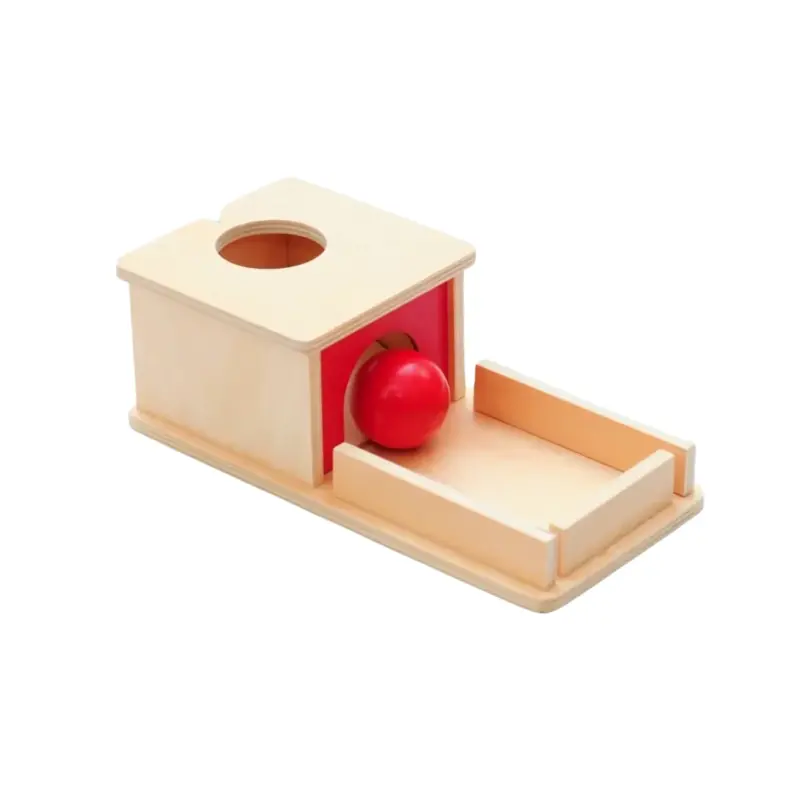
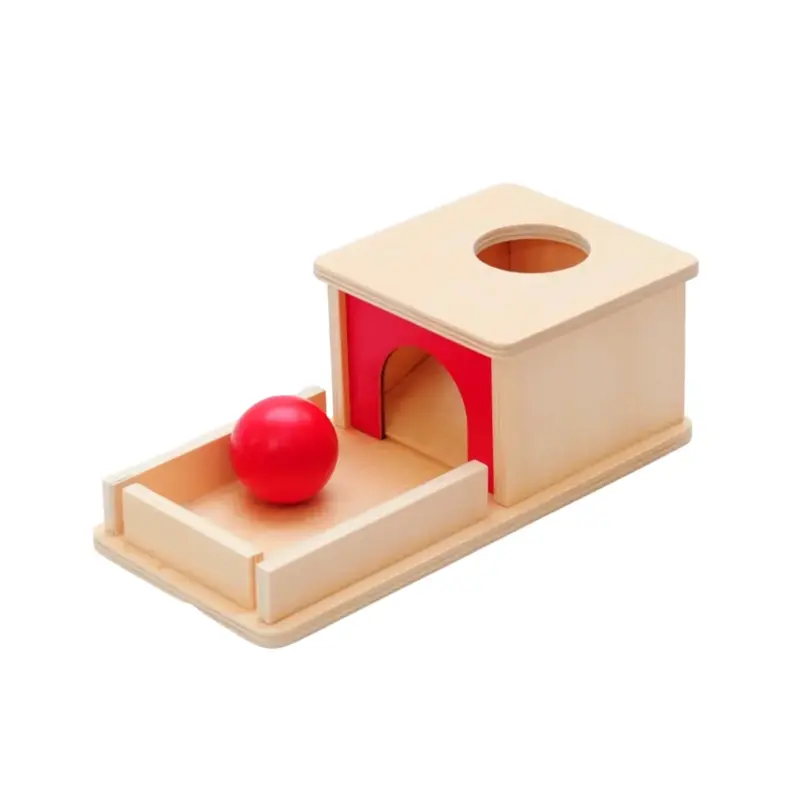
1. Montessori Object Permanence Box — $29.99
Domain: Cognitive. The first cognitive milestone deserving a dedicated material: object permanence — understanding that things continue to exist when hidden. No cognitive development at this age is more fundamental, and no toy produces the sustained 10–15 minute engaged repetition this box produces when a baby has reached the readiness window.
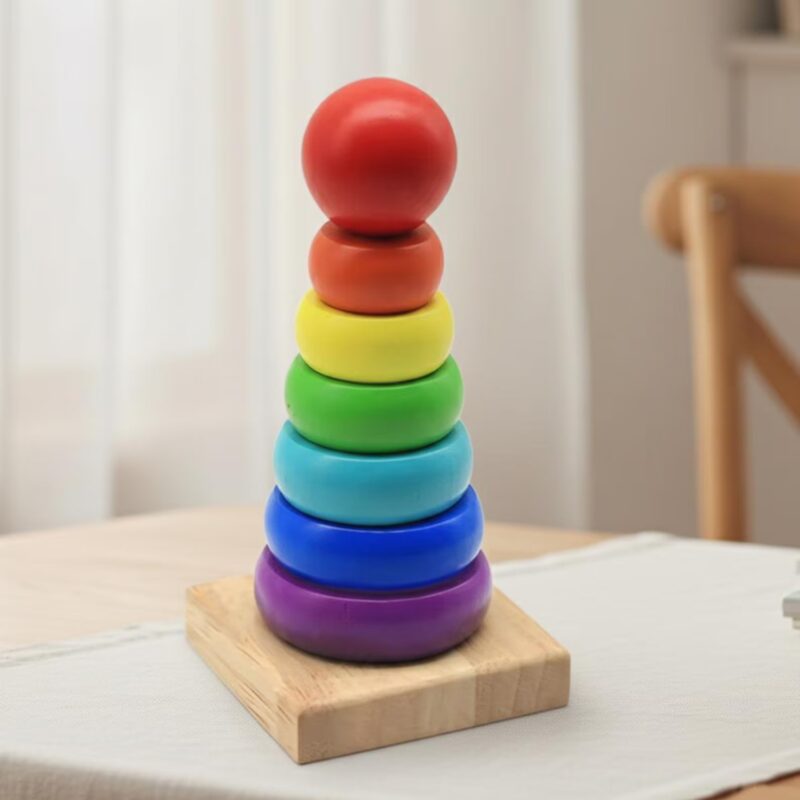
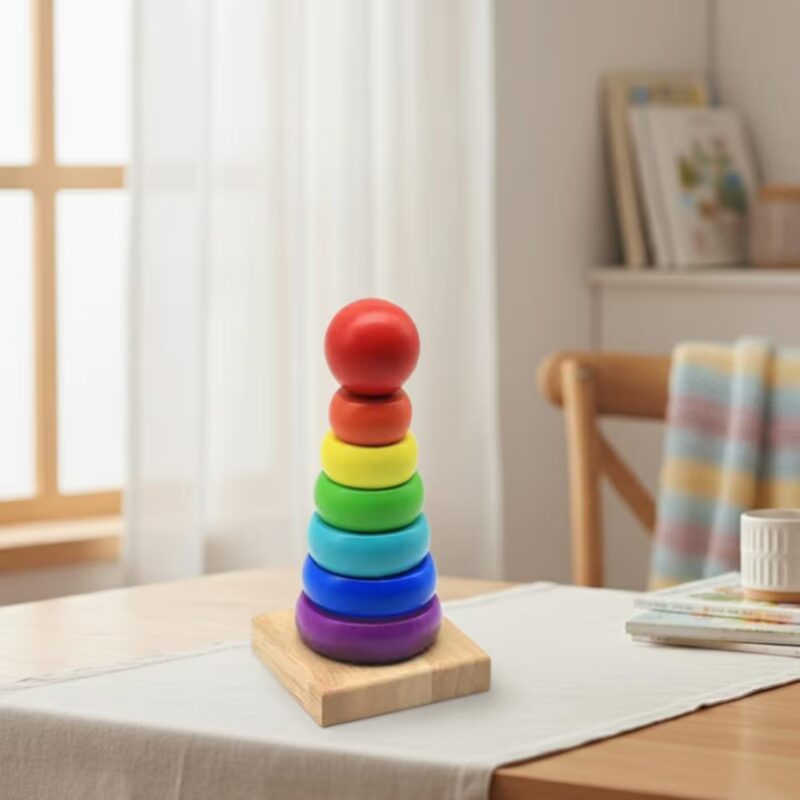
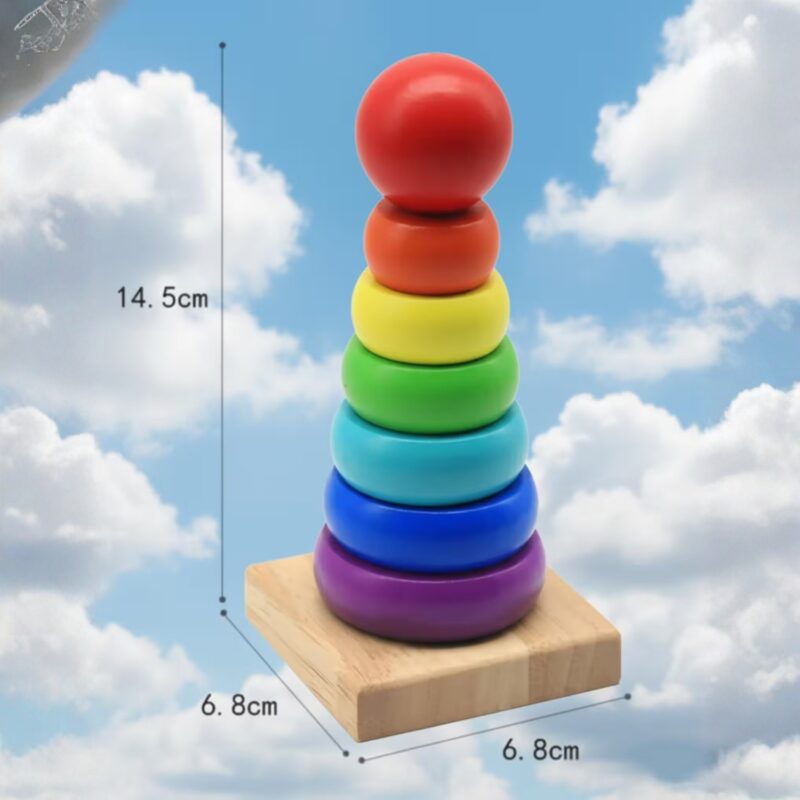
2. Classic Wooden Rainbow Tower — $25.99
Domain: Fine Motor + Spatial. Graduated rings on a post challenge the palmar-to-radial-digital grip transition happening at 6–12 months. Self-correcting: wrong order falls. The color layer adds sensorial richness without adding complexity.
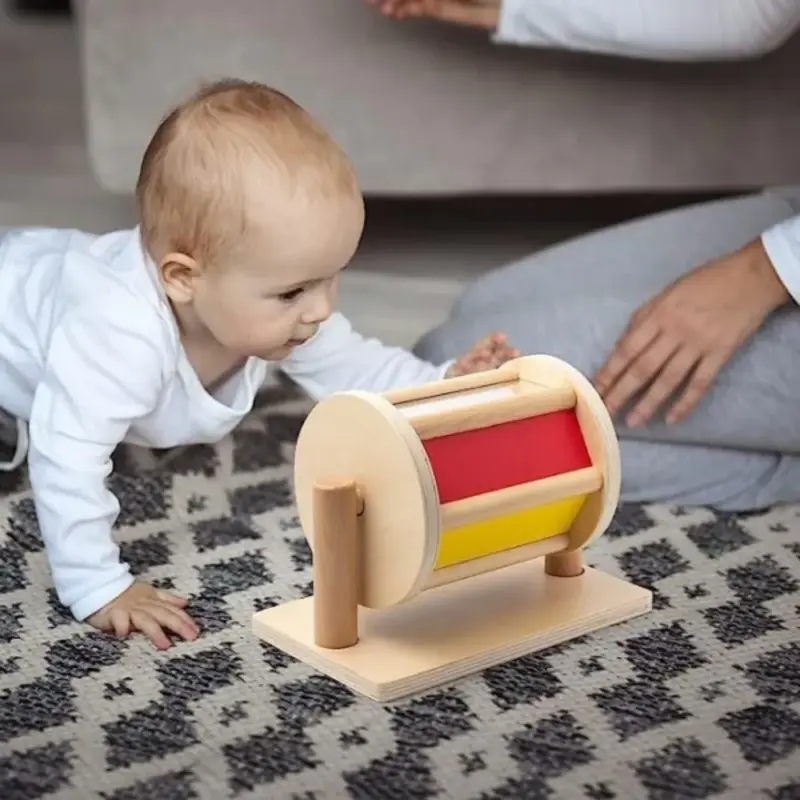
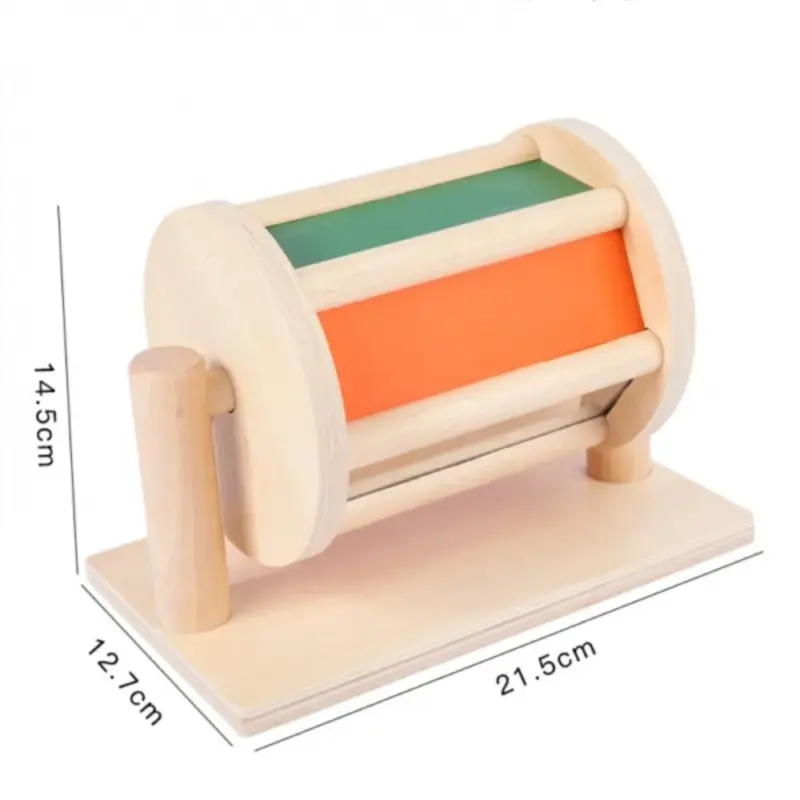
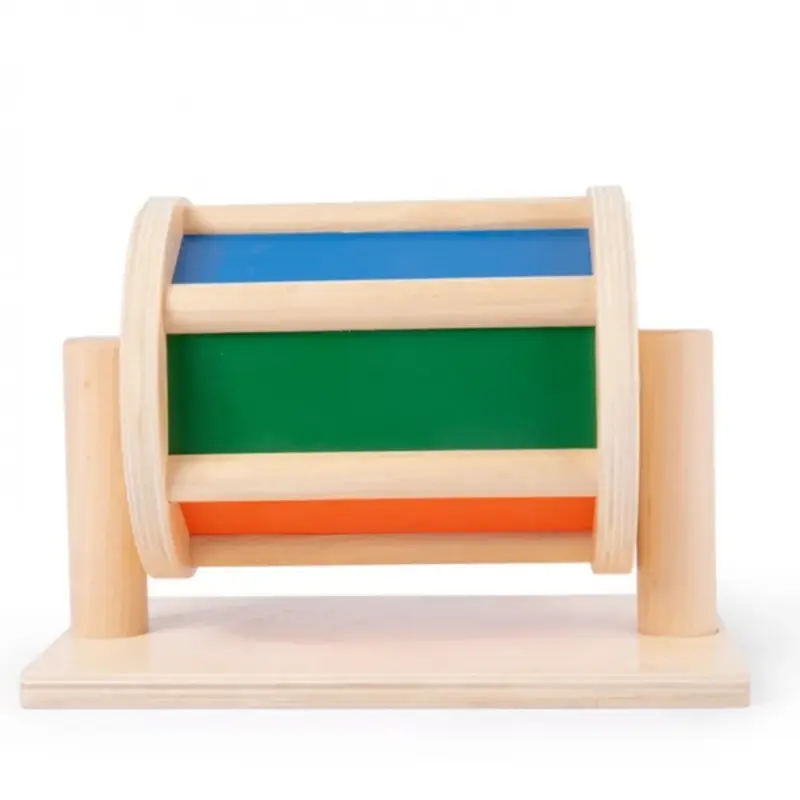
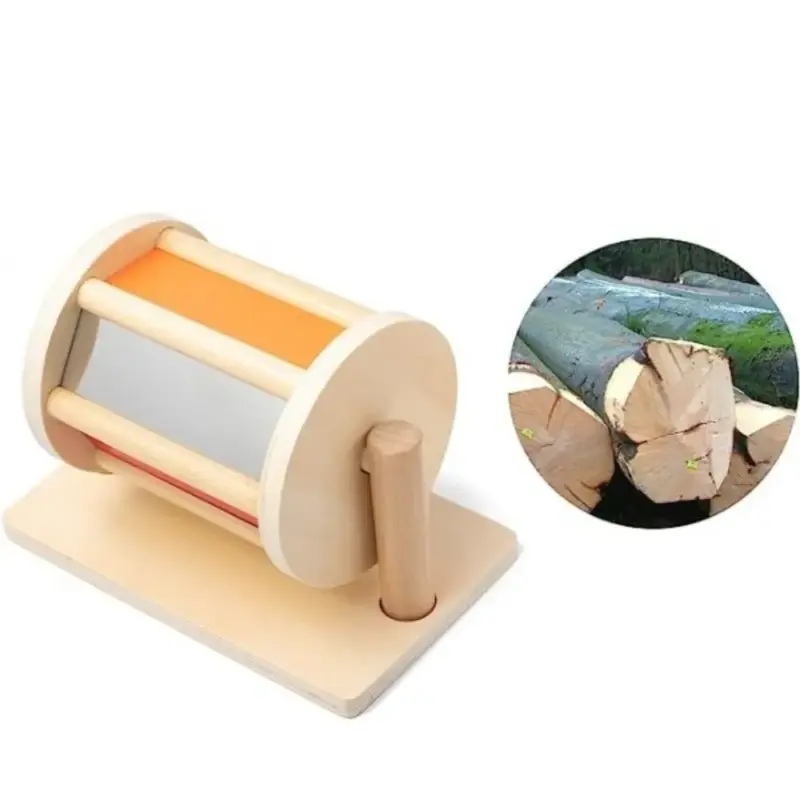
3. Wooden Rotating Drum Toy — $35.99
Domain: Cause-and-Effect + Sensory. Immediate multi-channel cause-and-effect: tap it and it sounds, spin it and it rotates. Two sensory channels (auditory + tactile) responding to one deliberate action. The baby discovers: “The sound happens because of what I did.” Scientific thinking in its most elemental form.
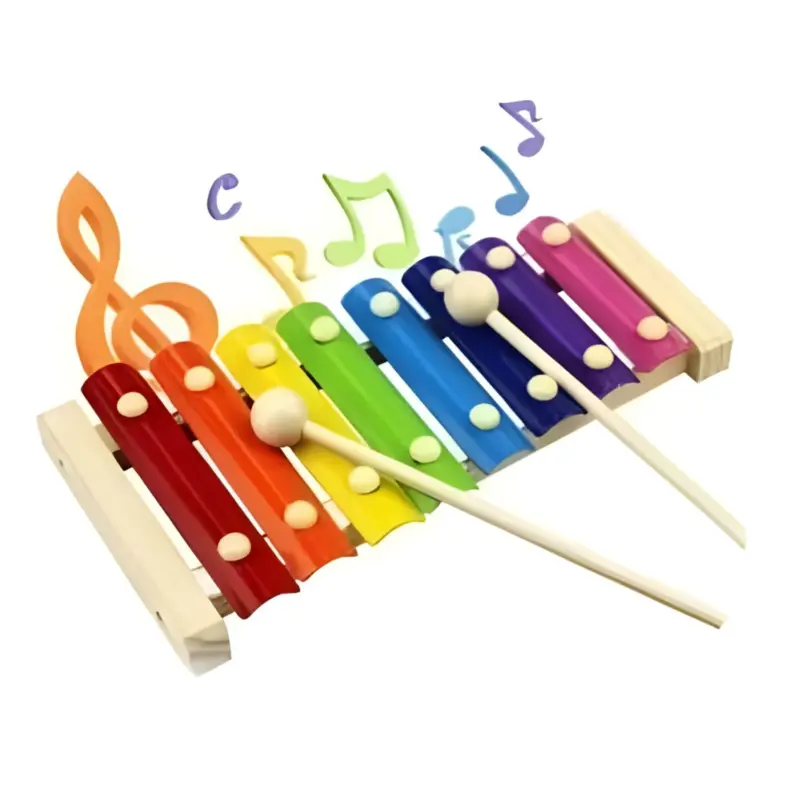
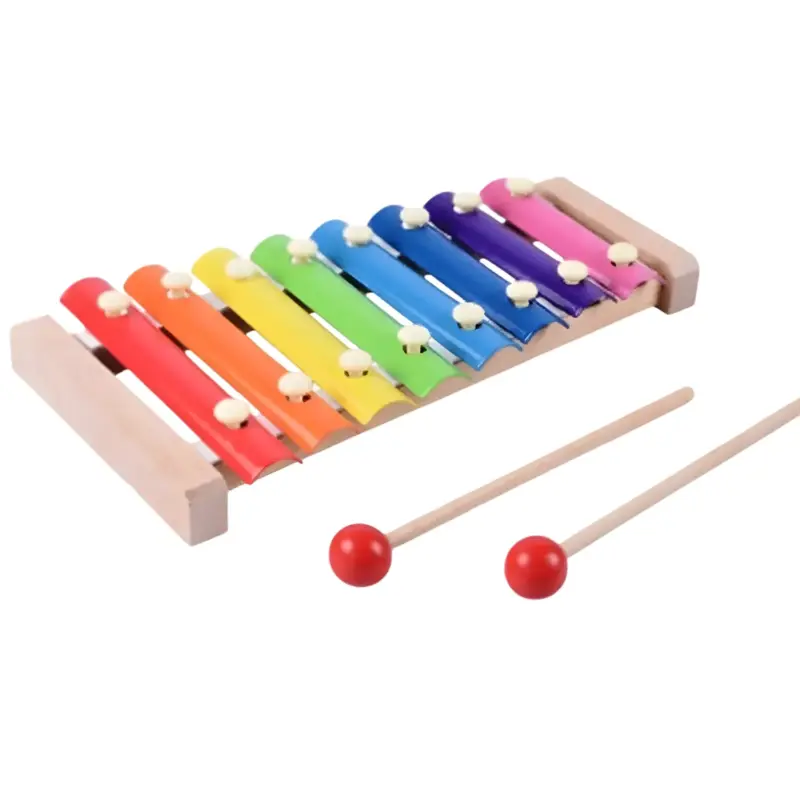
4. Wooden Xylophone Toy — $30.99
Domain: Auditory + Bilateral Coordination. The long-game toy in this kit. At 6 months: palmar tap. At 12 months: mallet held with beginning tripod. At 18+ months: deliberate melody attempts. Develops bilateral hand differentiation — one hand leads, one assists — the same coordination handwriting, scissors, and dressing all require.
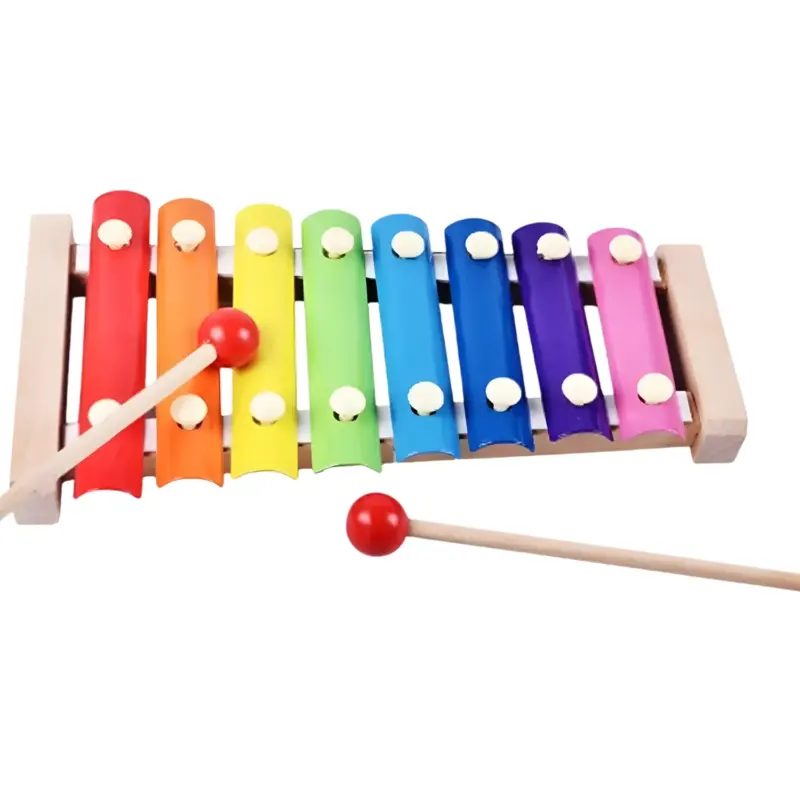
Total for Kit 1: $122.96 — the complete first Montessori shelf.
Kit 2 — The 12–18 Month Starter Kit: The Toddler Transition Shelf

For the newly walking toddler — discovering autonomous agency, independence demand at its most intense. Five items because the developmental surface area is wider: three sensitive periods — order, language, and movement — are simultaneously active, which is why Kit 2 needs five items where Kit 1 needed four. Total: 5 items | $208.95
1. All-in-One Busy Board — $45.99
Domain: Practical Life. How a busy board develops each mechanism into real-world dressing competence — and the exact age progression from 12 months to 3 years — explains why it earns the first slot in this kit.. Every mechanism (zipper, buckle, latch) corresponds to a real dressing fastener. This isn’t play — it’s dressing practice. The mechanism-by-mechanism skill map shows exactly which fastener each board element prepares for.
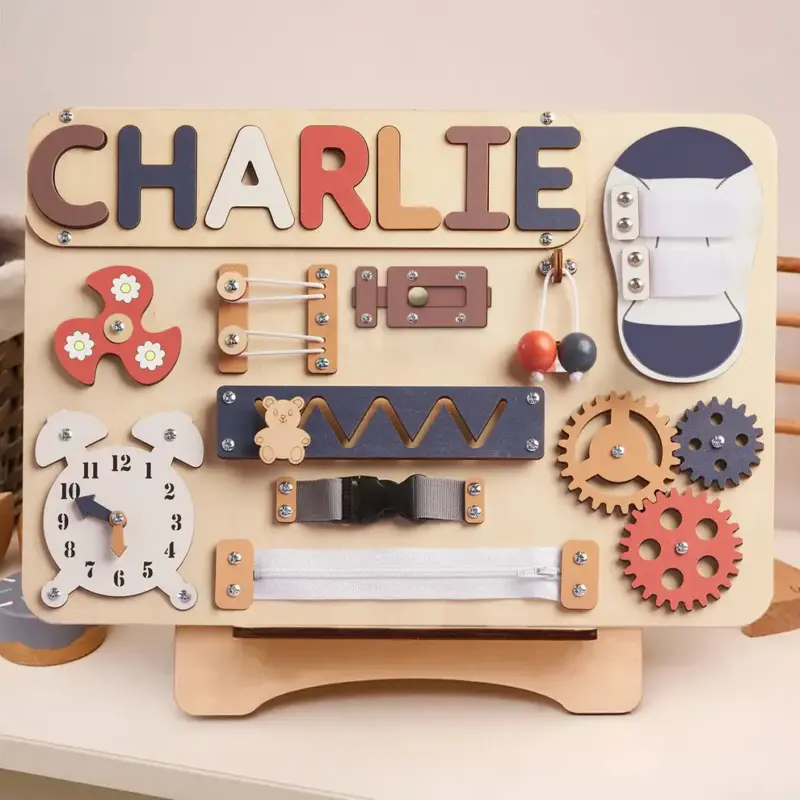
All-in-One – Wooden Montessori Busy Board
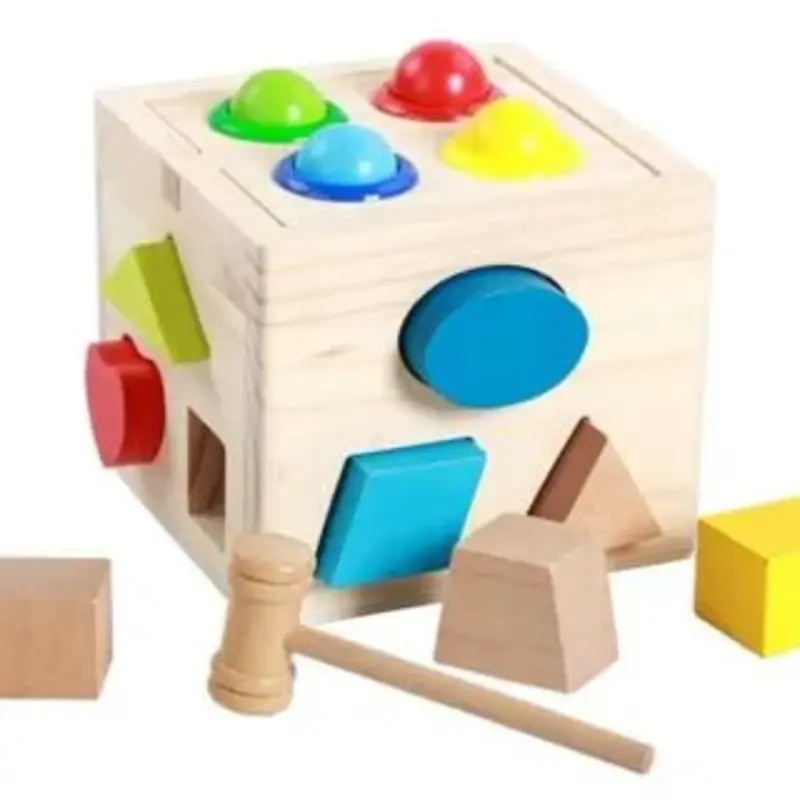
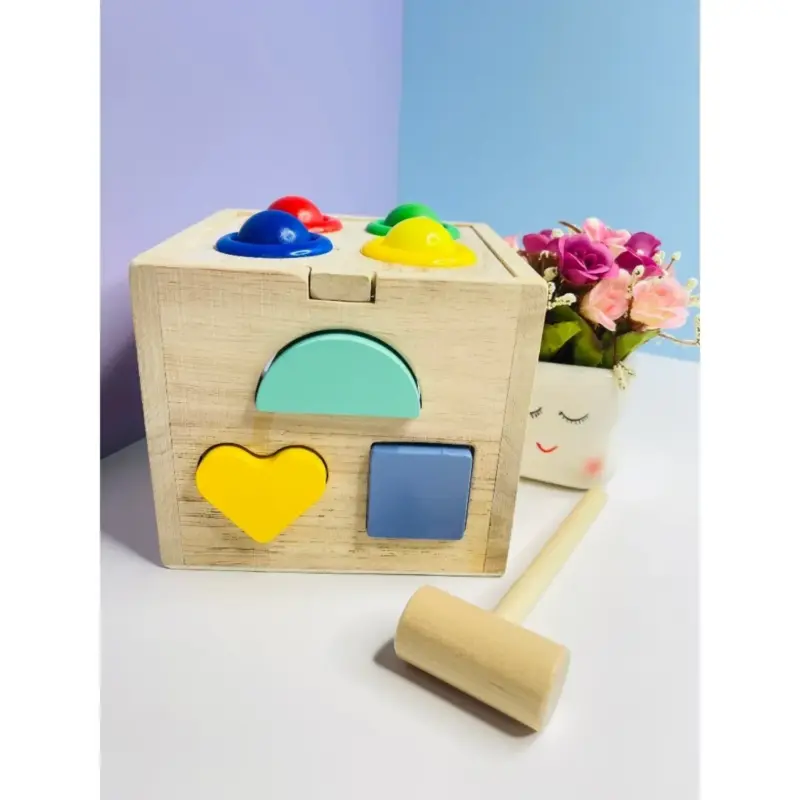
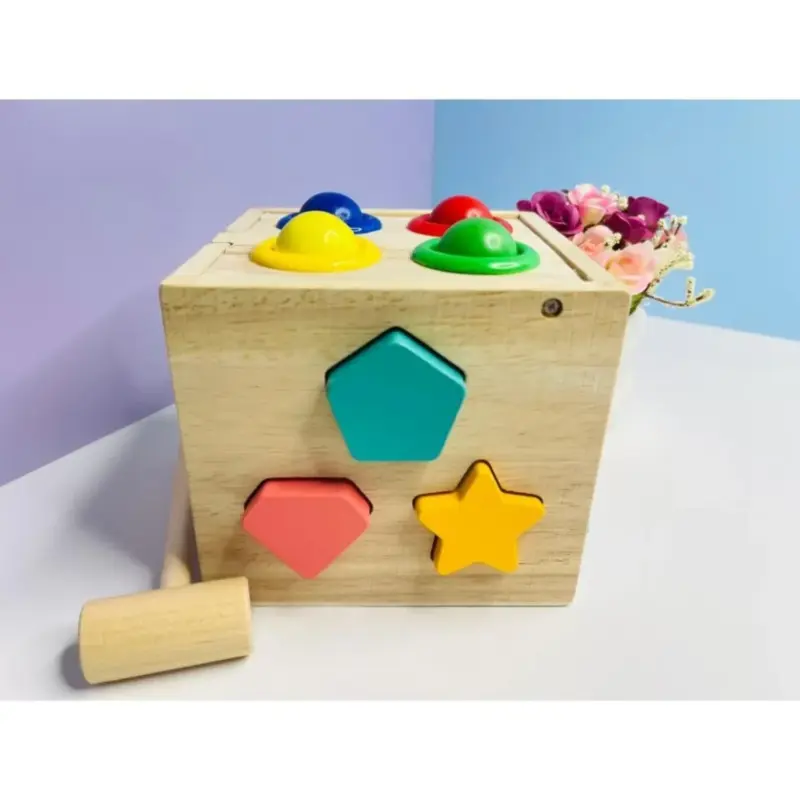
2. Wooden Shape Sorter & Hammer Toy — $45.99
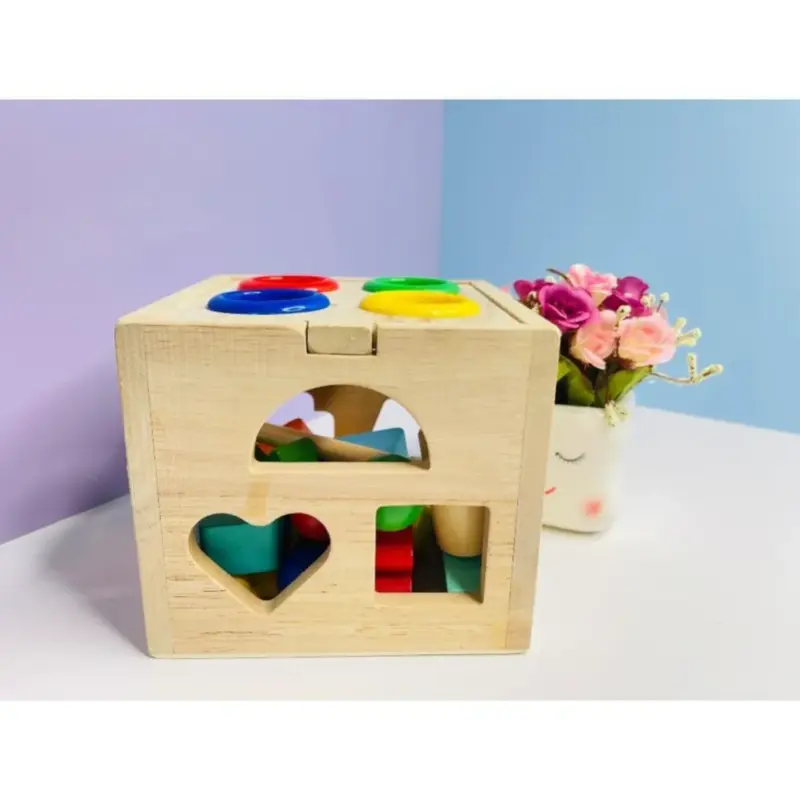
Domain: Cognitive + Gross Motor. Shape sorting develops spatial reasoning alongside force calibration (how hard to hammer). Two developmental demands simultaneously — the right complexity for this age. Fills the spatial-reasoning gap the busy board and name puzzle don’t cover.
3. Animals Kingdom Name Puzzle — $35.99
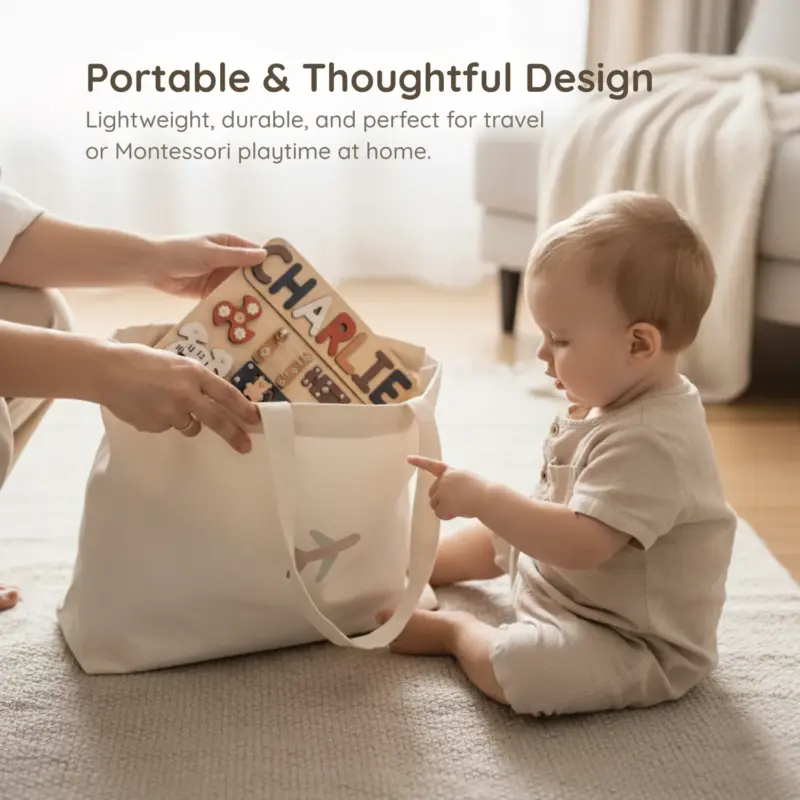
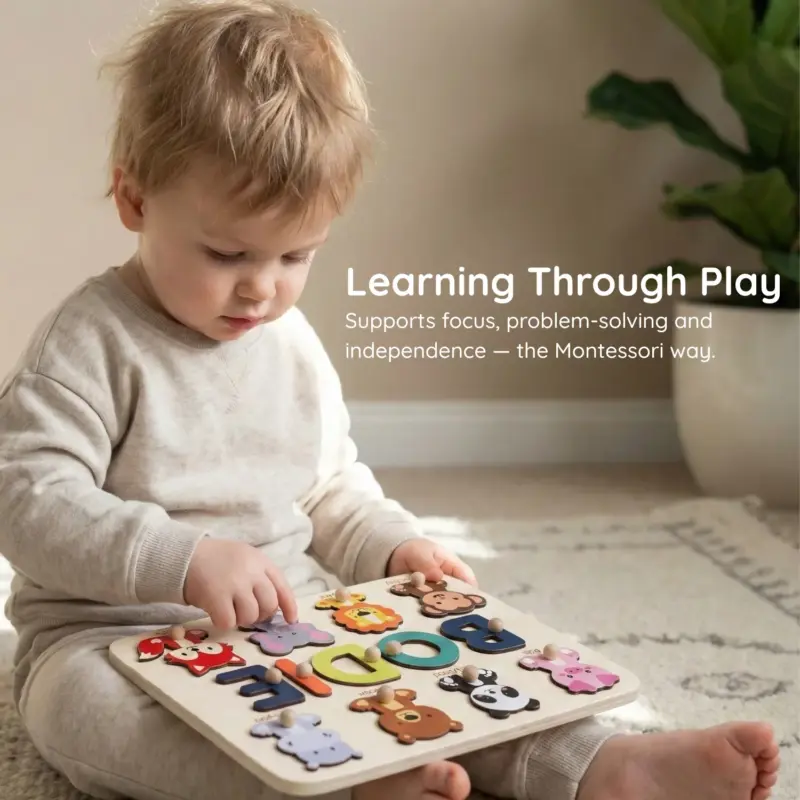
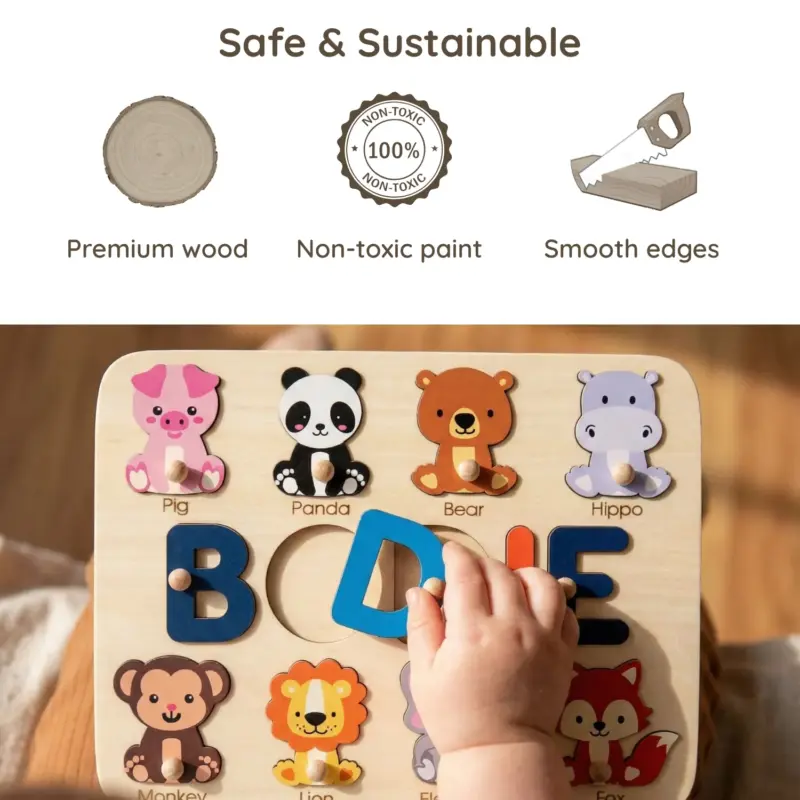
Domain: Language + Fine Motor. The vocabulary explosion is active — 5–10 new words per week. Your child’s own name is the word they respond to most deeply — research confirms infants show measurable preference for their name’s sound pattern as early as 4.5 months. Each letter handled by the edge develops the tripod precursor grip. Every named animal is vocabulary input during the highest-attention activity. The only item in this kit directly addressing the language sensitive period.
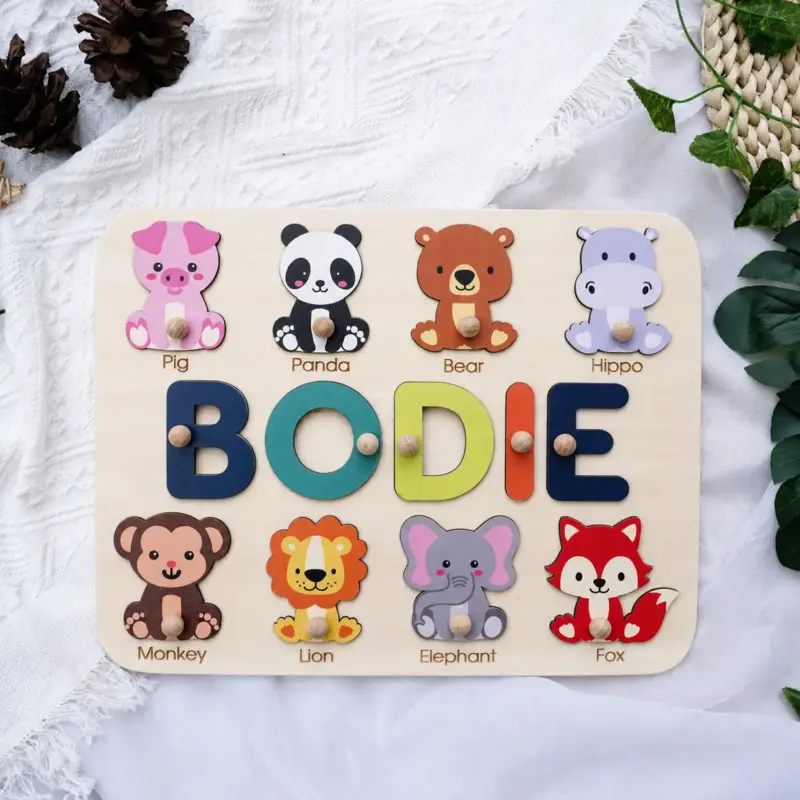
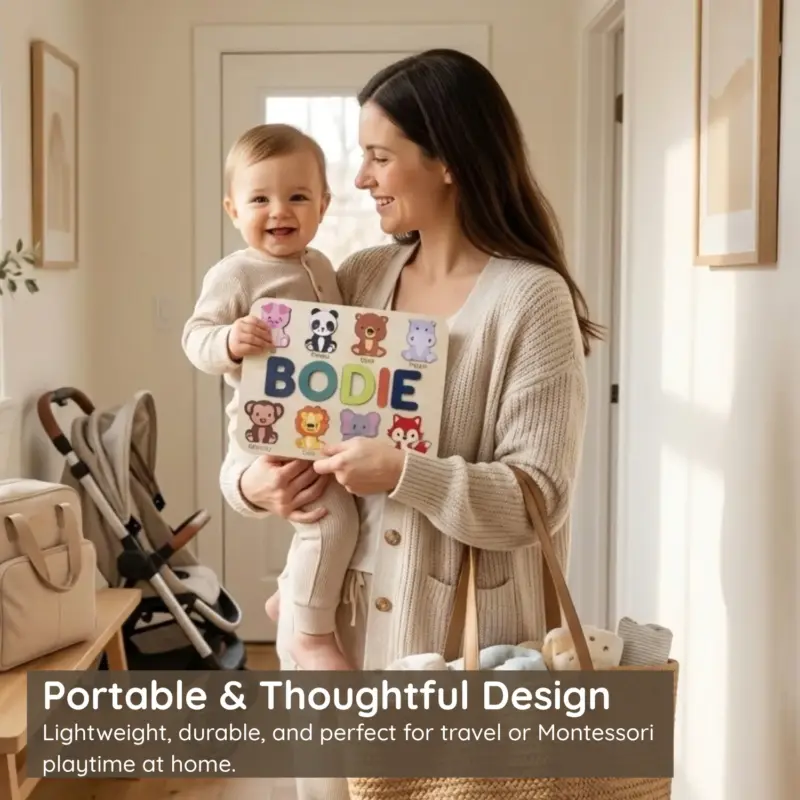
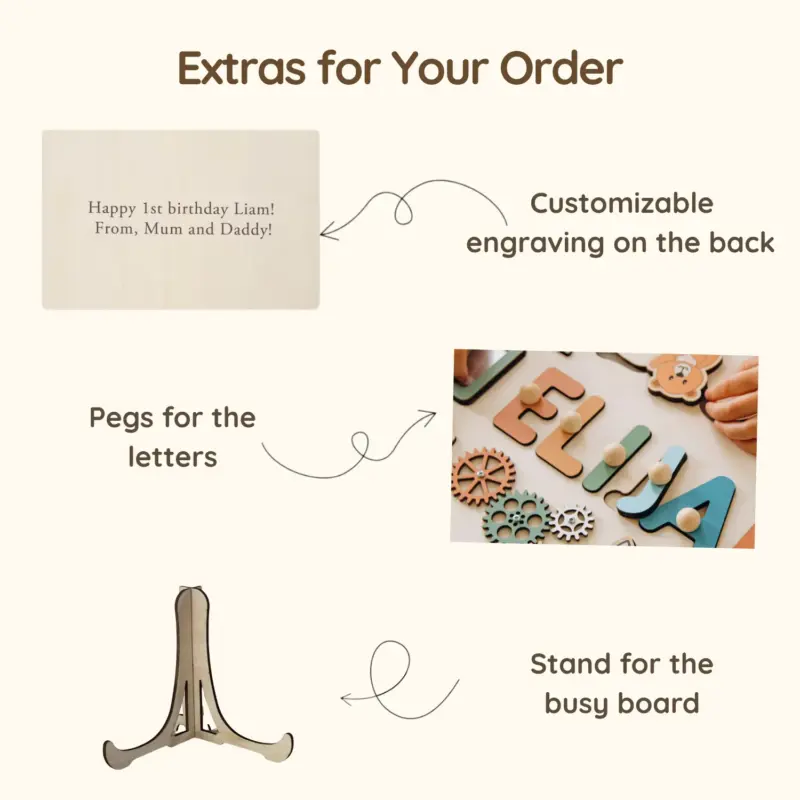
Animals Kingdom – Wooden Montessori Name Puzzle
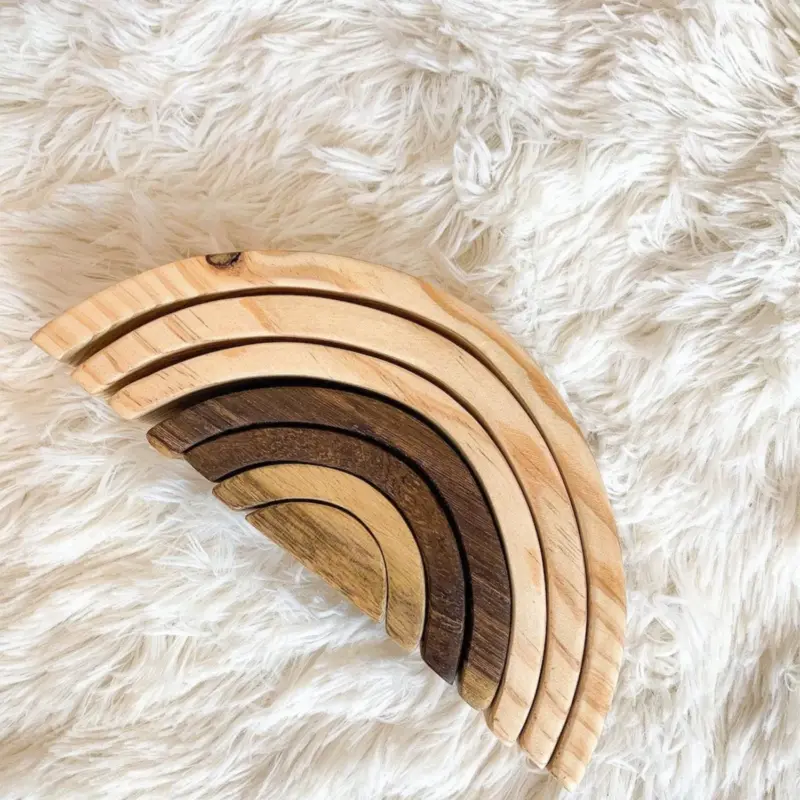
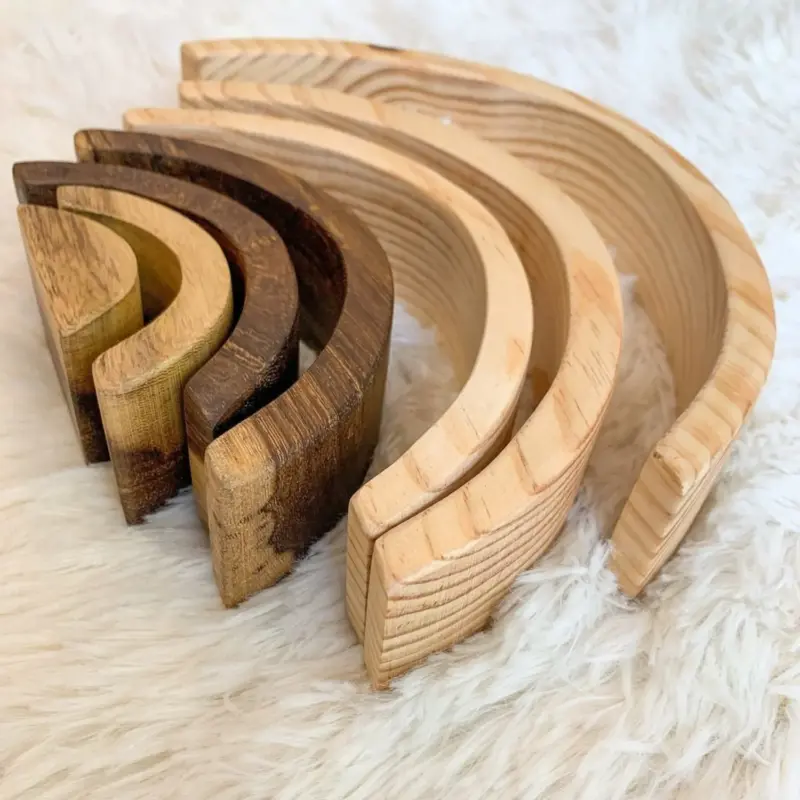
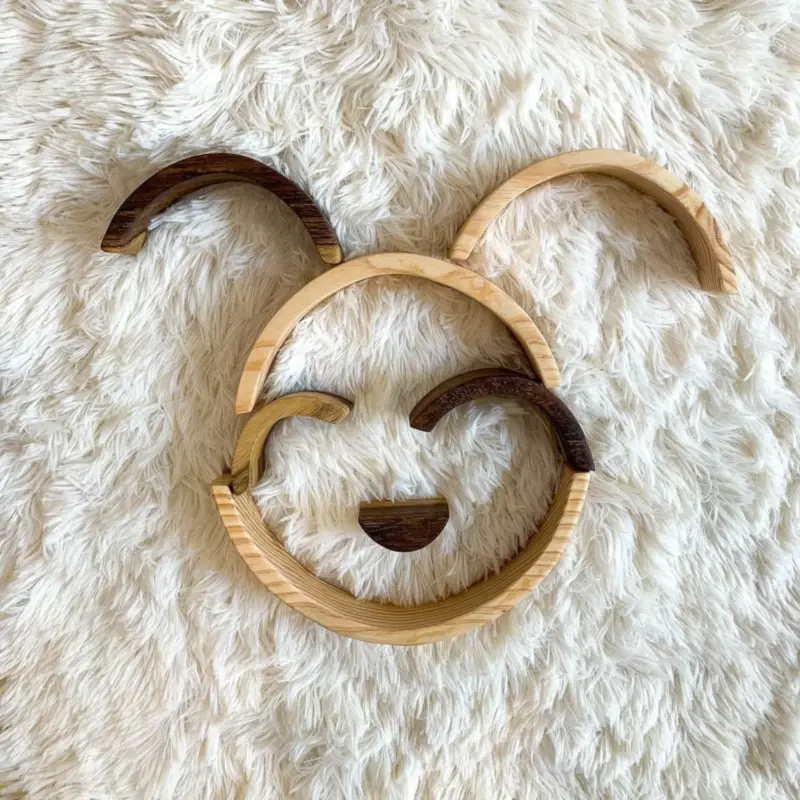
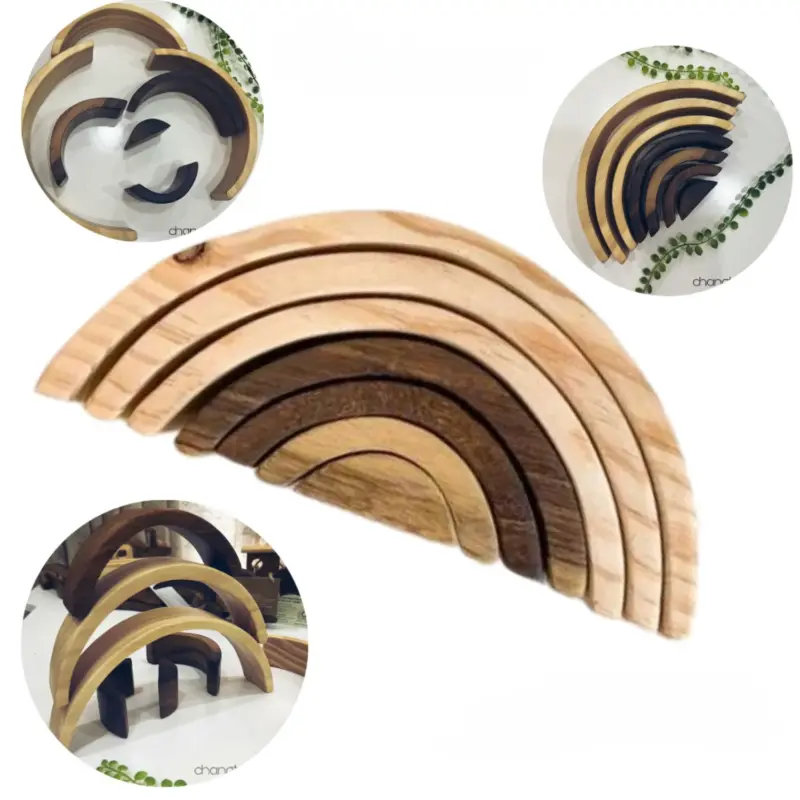
4. Montessori Wooden Rainbow Stacker — $35.99
Domain: Spatial + Open-ended. Size-gradation alongside color gradation — two classification dimensions simultaneously. At 12m: stack and knock down. At 18m: order by size. At 2yr: arches become architectural elements. One toy, 18+ months of use — the toy most likely to stay on the shelf longest.
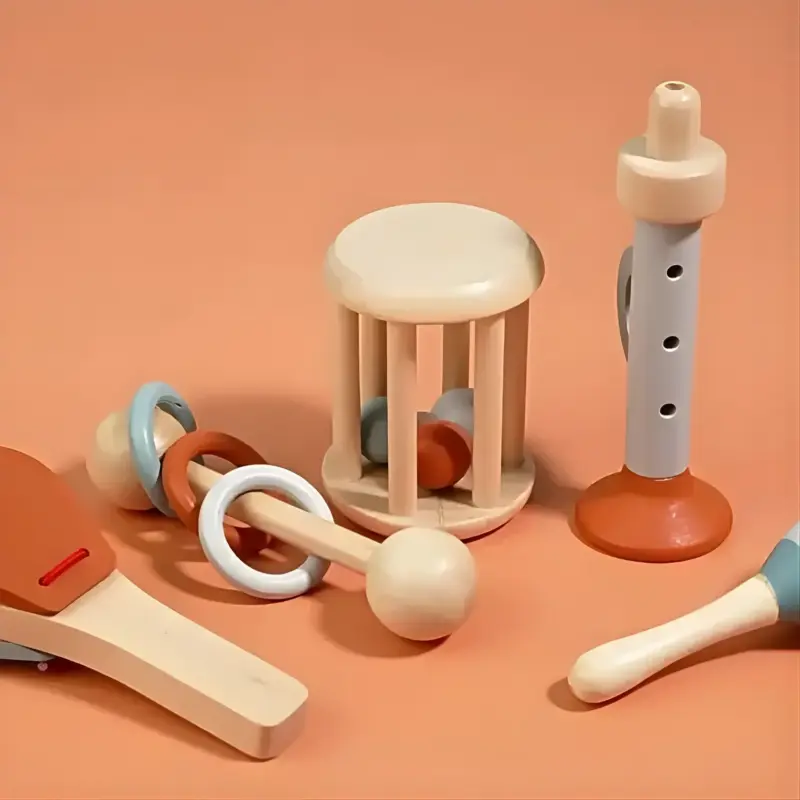
5. Montessori Wooden Musical Instrument Set — $45.99
Domain: Creative + Auditory. Music-making shifts from cause-effect to intentional sound comparison. Develops auditory discrimination alongside bilateral coordination — and it’s one of the few activities inviting collaborative play with a parent or sibling. Five toys, five domains: a complete prepared environment.
Total for Kit 2: $208.95 — the complete toddler transition shelf.
Kit 3 — The 18 Month–3 Year Starter Kit: The Independence Shelf

For the toddler firmly walking, showing strong autonomy demands, in the full height of the sensitive period for order, beginning to build emotional vocabulary. Five items across five domains. Total: 5 items | $187.95
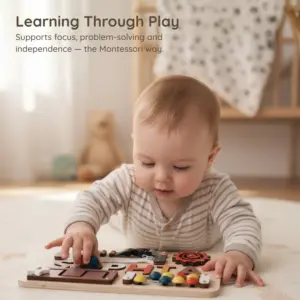
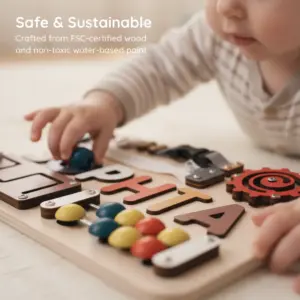
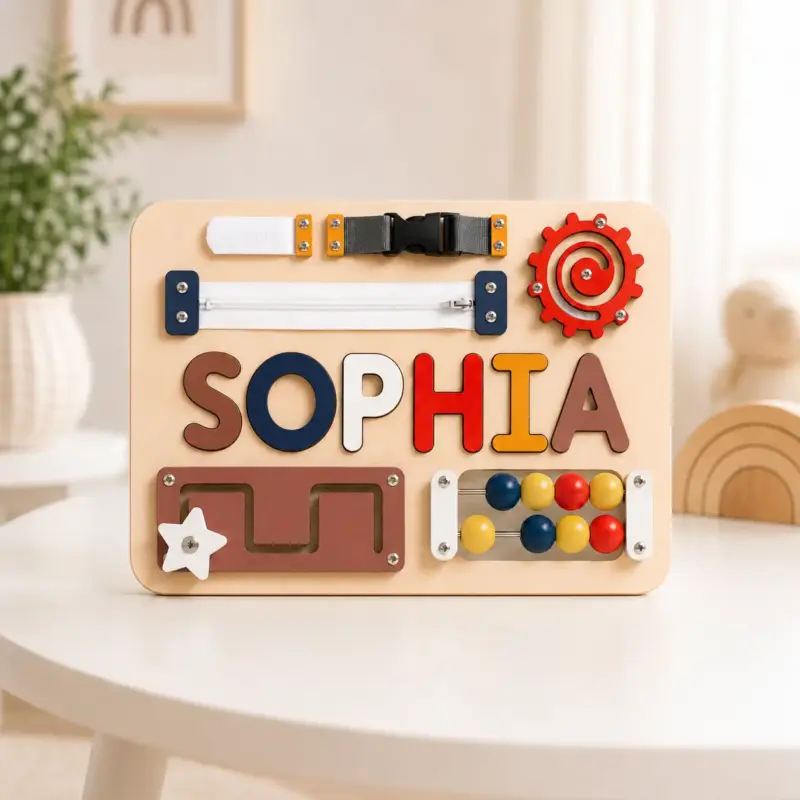
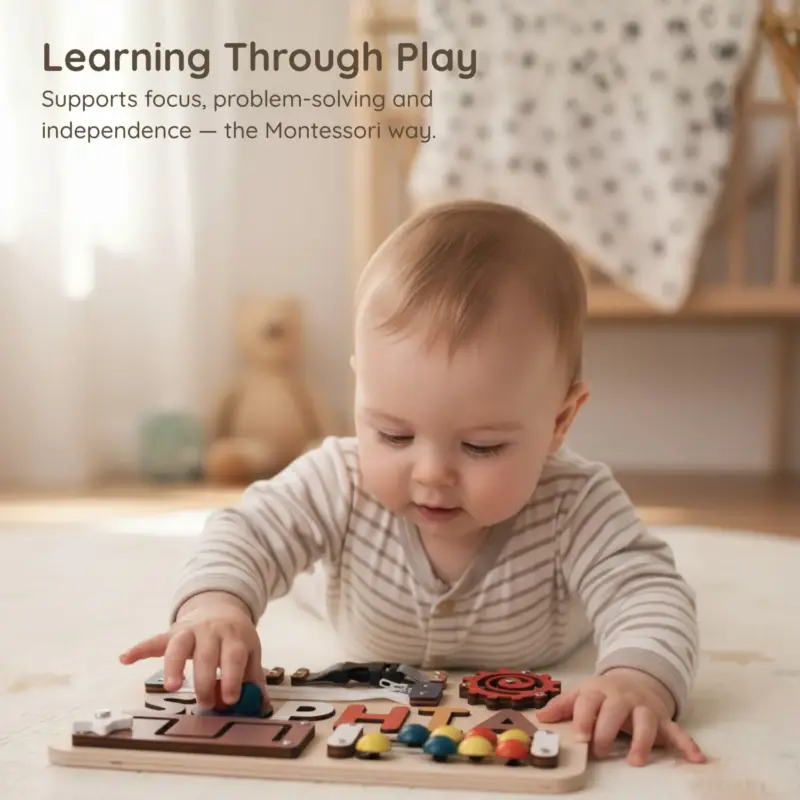
1. Zips & Buckles Busy Board — $45.99
Domain: Practical Life (Dressing). Where Kit 2’s board covered multiple mechanism types, this one targets dressing specifically — jacket zipping, belt buckling, clothing fasteners. The exact grip combinations a 2-year-old is most actively attempting to master, without the time pressure of actually needing to get dressed.
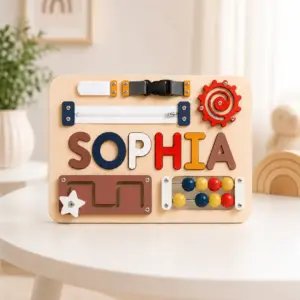

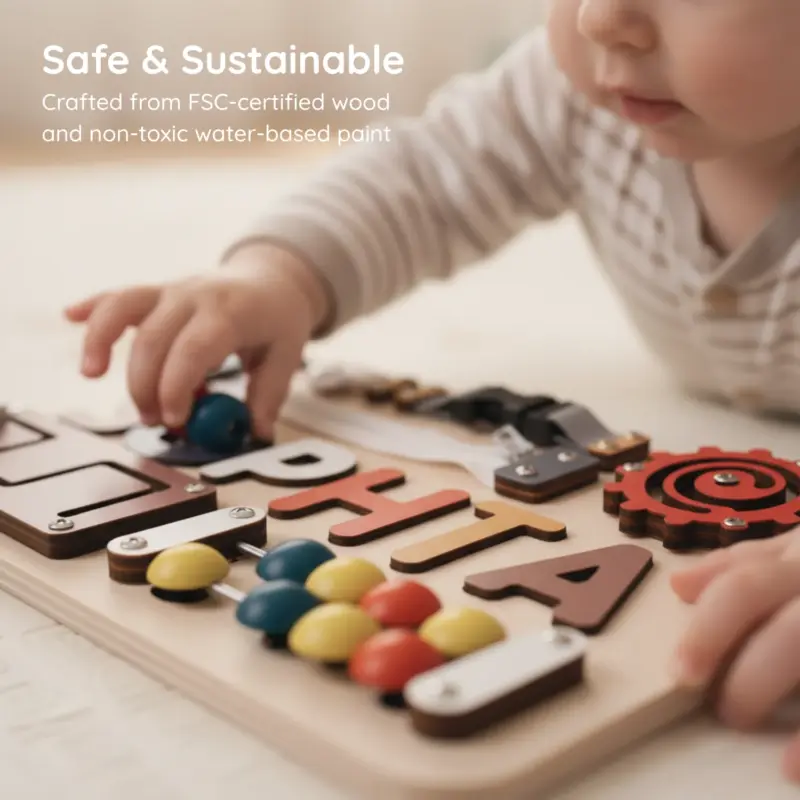

Zips & Buckles – Wooden Montessori Busy Board
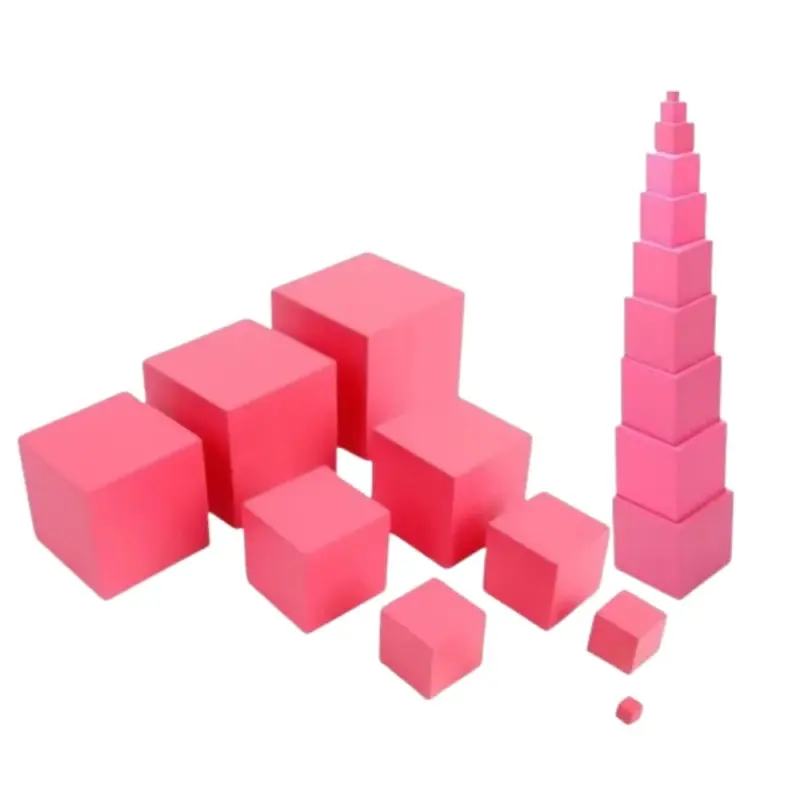
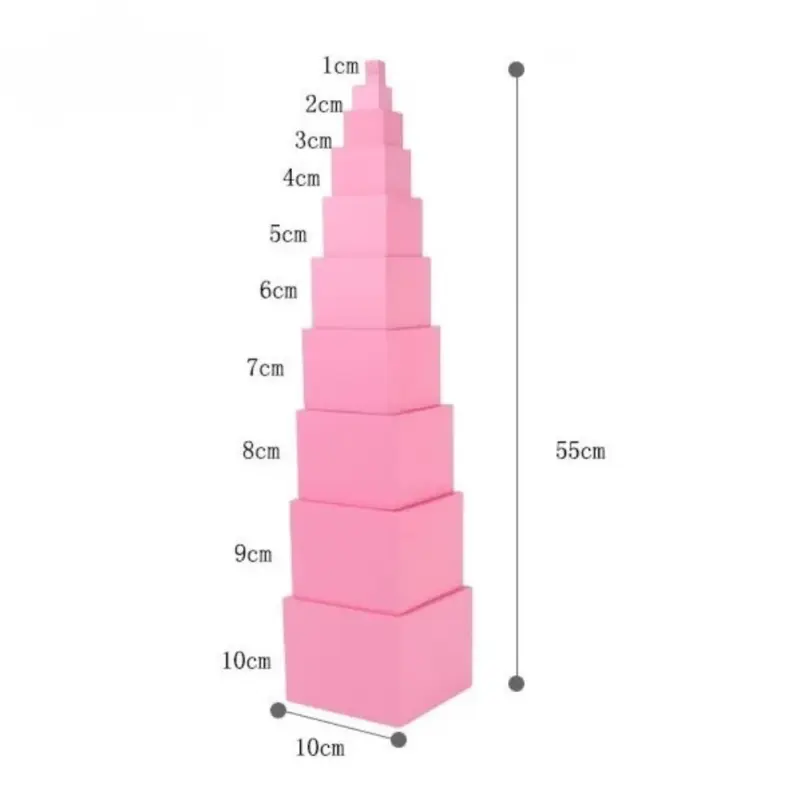
2. Montessori Pink Tower — $35.99
Domain: Classic Montessori Sensorial. The foundational sensorial material — ten graduated cubes developing size discrimination, mathematical gradation, and precision placement. The mathematical mind handling constant-increment gradation is active from about 18–20 months. Decades of classroom use confirming its developmental value.
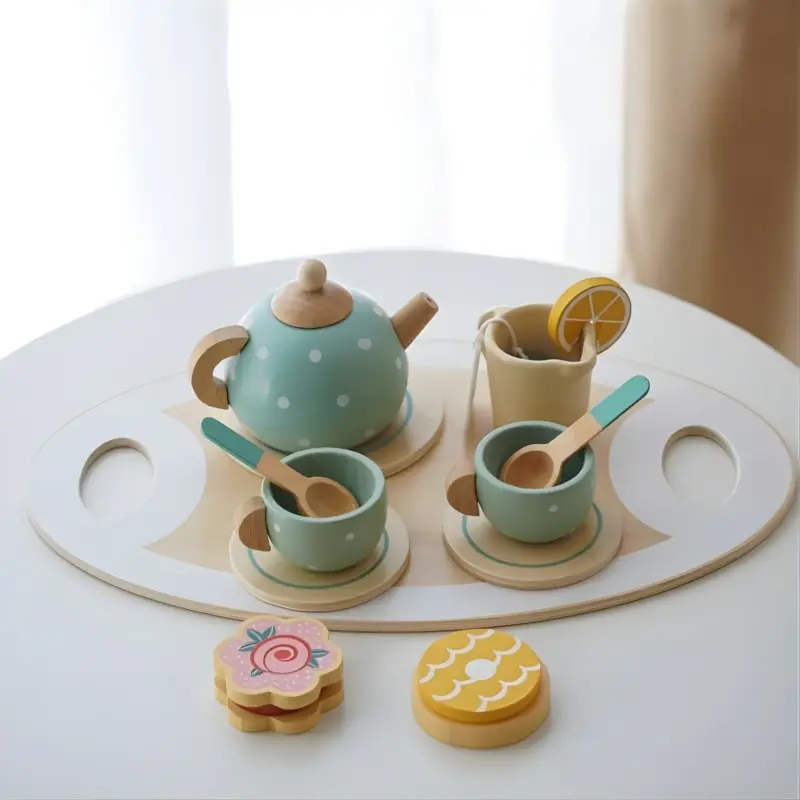
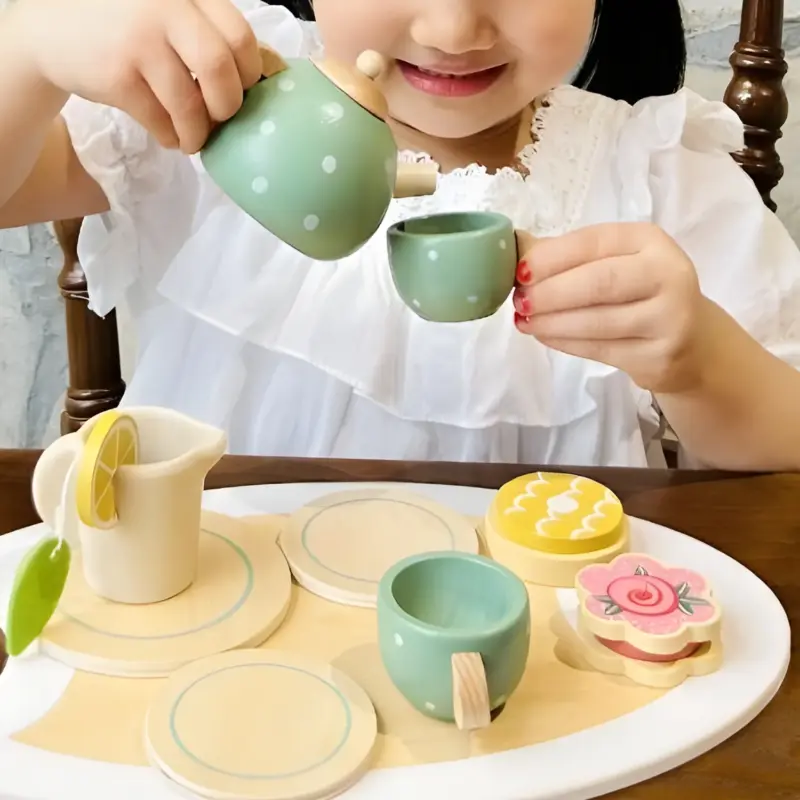
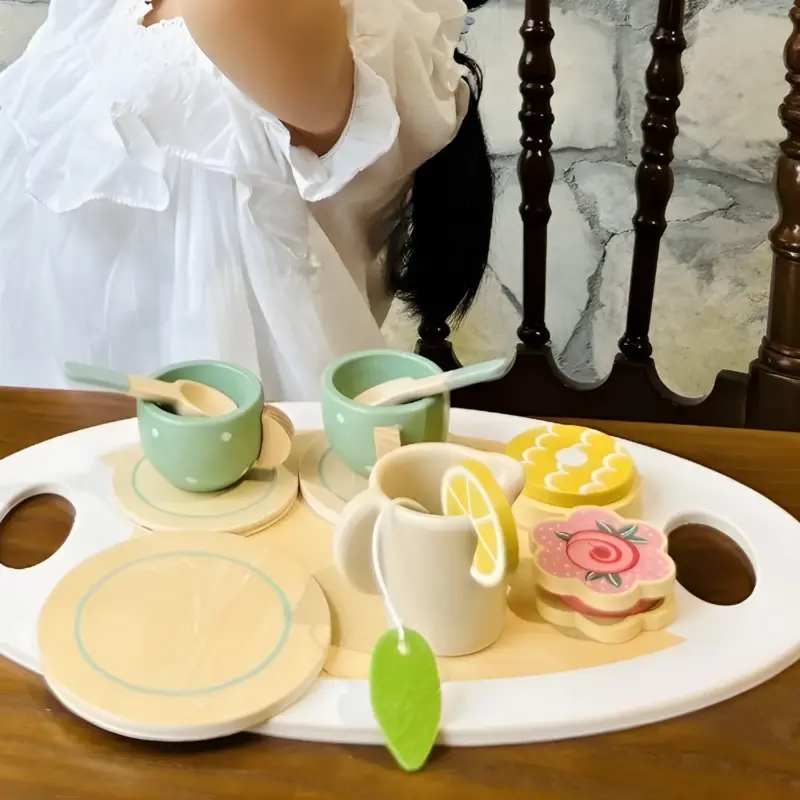
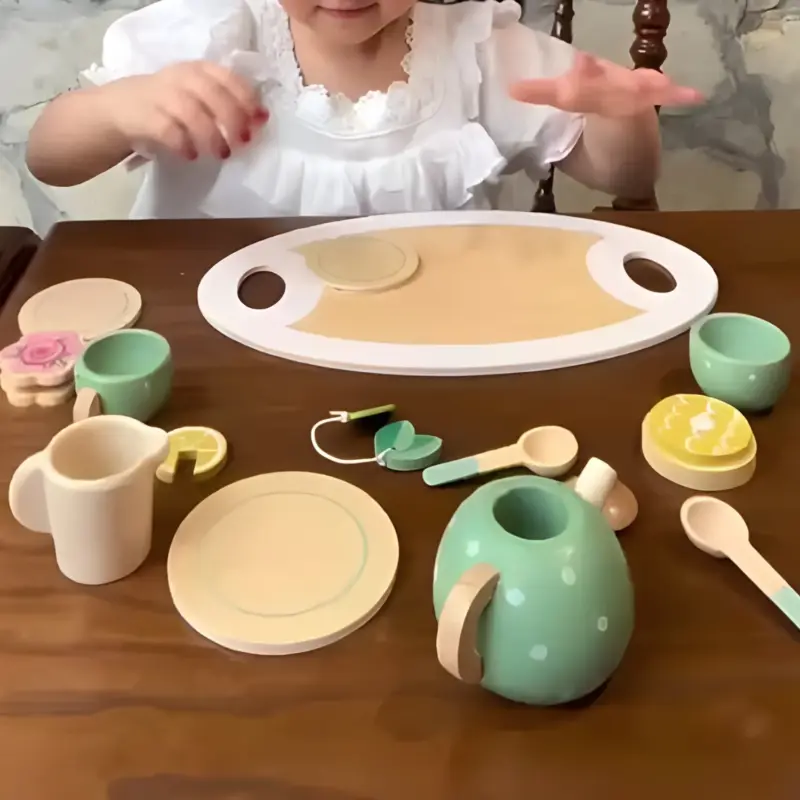
3. Wooden Tea Party Toy Set — $35.99
Domain: Social + Collaborative Play. By 18 months, symbolic play is emerging. Hosting a tea party practices perspective-taking, social role management, and interpersonal scripts. Real wooden materials make the practical life element genuine — pouring, carrying, serving are the same practical life skills that AMI identifies as foundational to concentration and motor control, now appearing in social play context rather than isolated practice.. Social-emotional development gets its first slot in the kit series.
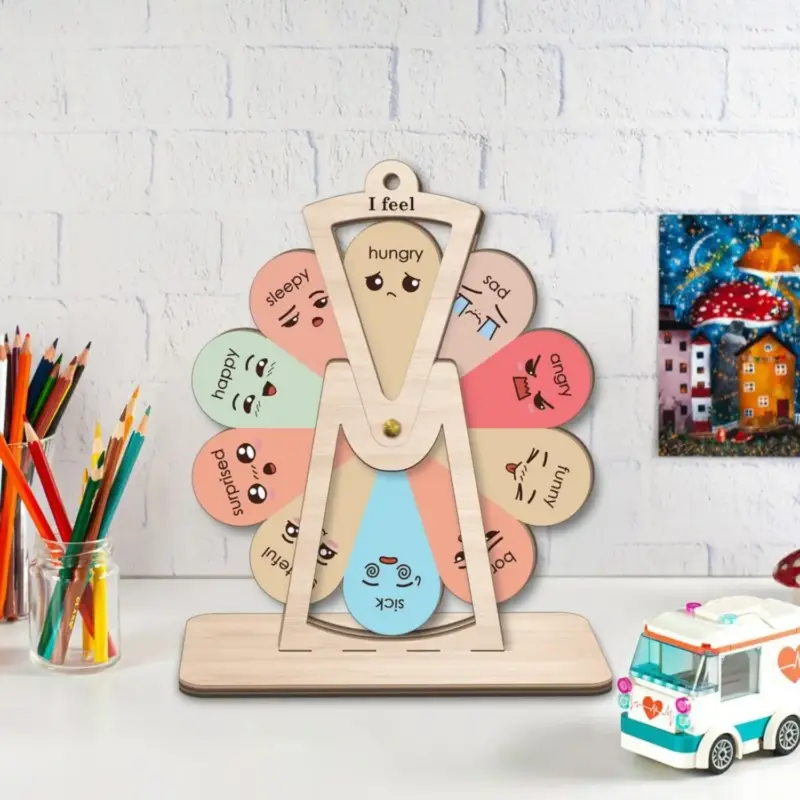
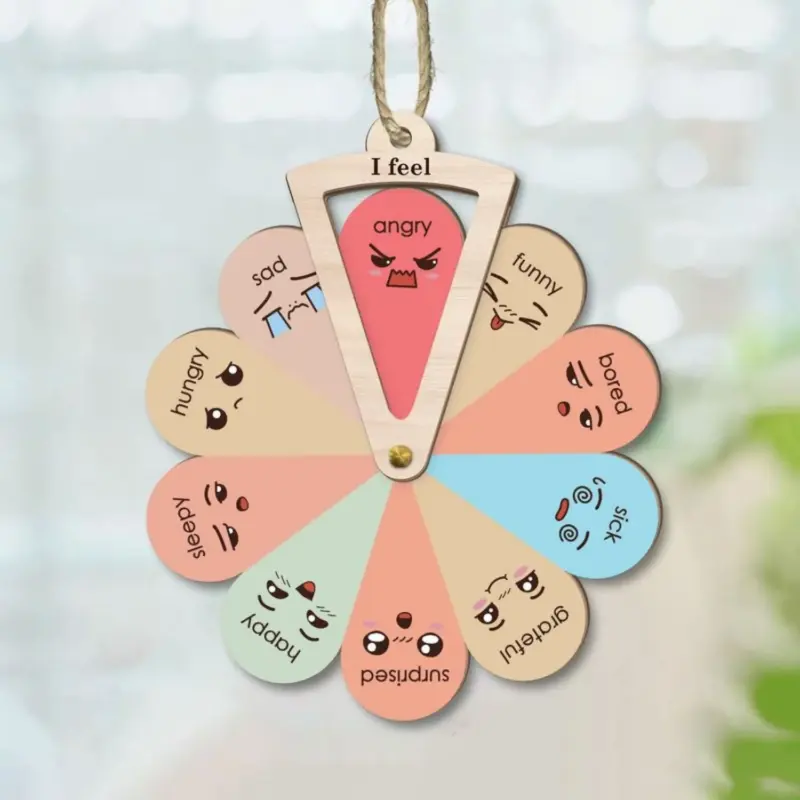
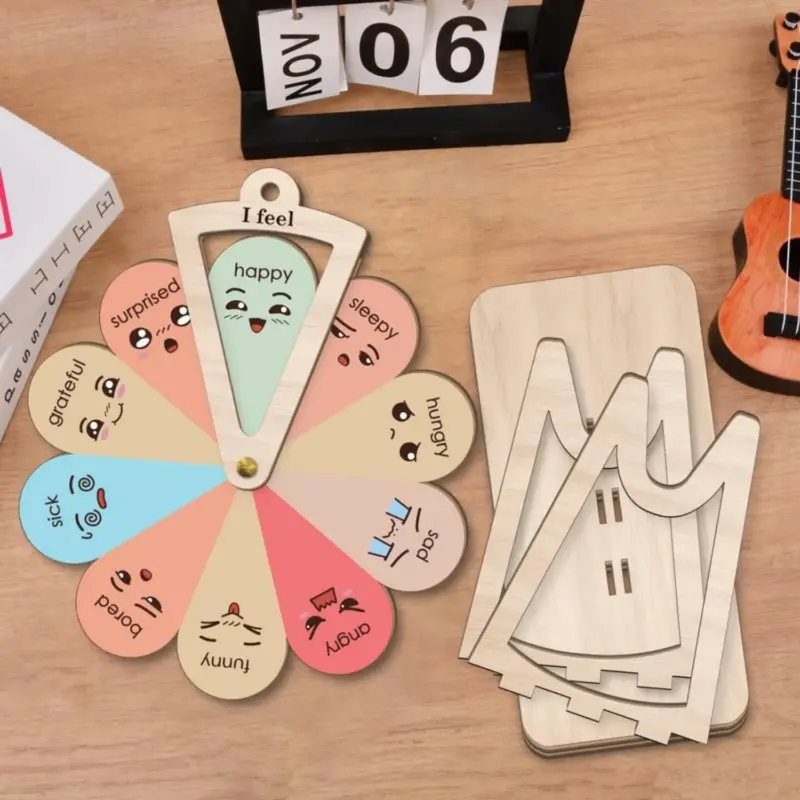
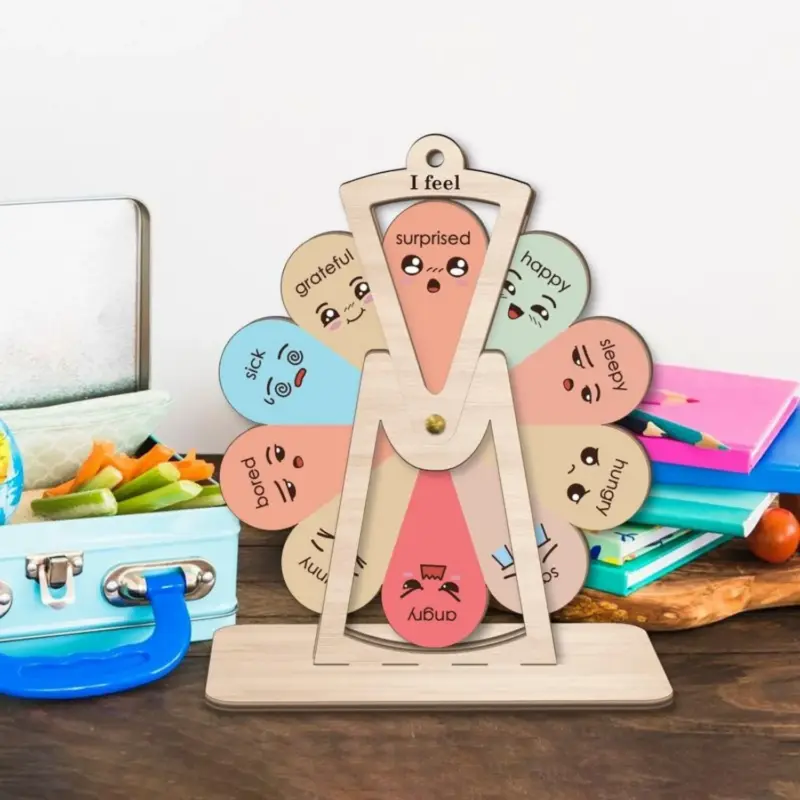
4. Montessori Emotions Feelings Chart Wheel — $35.99
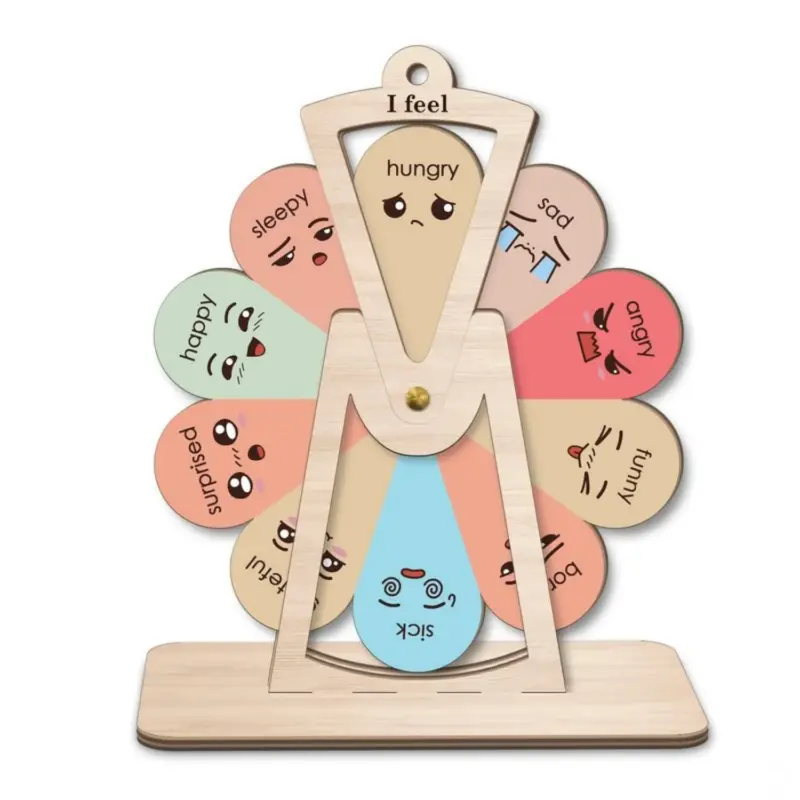
Domain: Emotional Literacy. The 18m–3yr toddler’s emotional life has dramatically outpaced their vocabulary for it. The feelings wheel gives them the tool to name what they’re experiencing — reducing the emotional-to-behavioral translation producing tantrums when feelings can’t be expressed. Used in daily check-ins, it builds the emotional vocabulary self-regulation depends on.
5. Farm Theme Name Puzzle — $35.99
Domain: Vocabulary + Fine Motor. Continues the language + fine motor dual-purpose work with a farm vocabulary layer (naming animals, tools, natural world items). By 18m–3yr, the tripod grip is forming — the edge-pinch grip is direct writing preparation. A language slot in every kit reflects the developmental priority correctly.

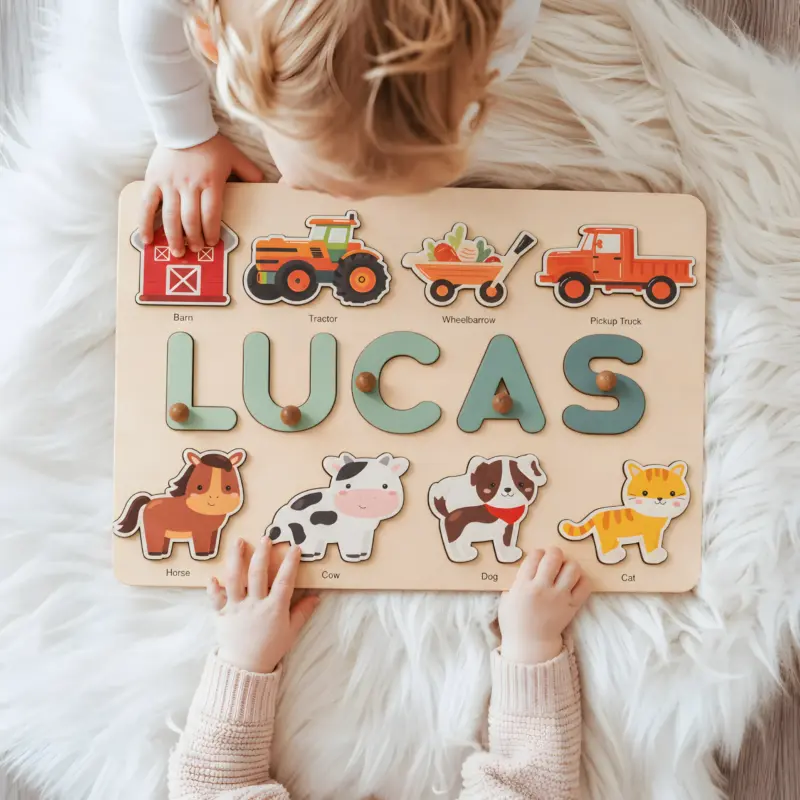

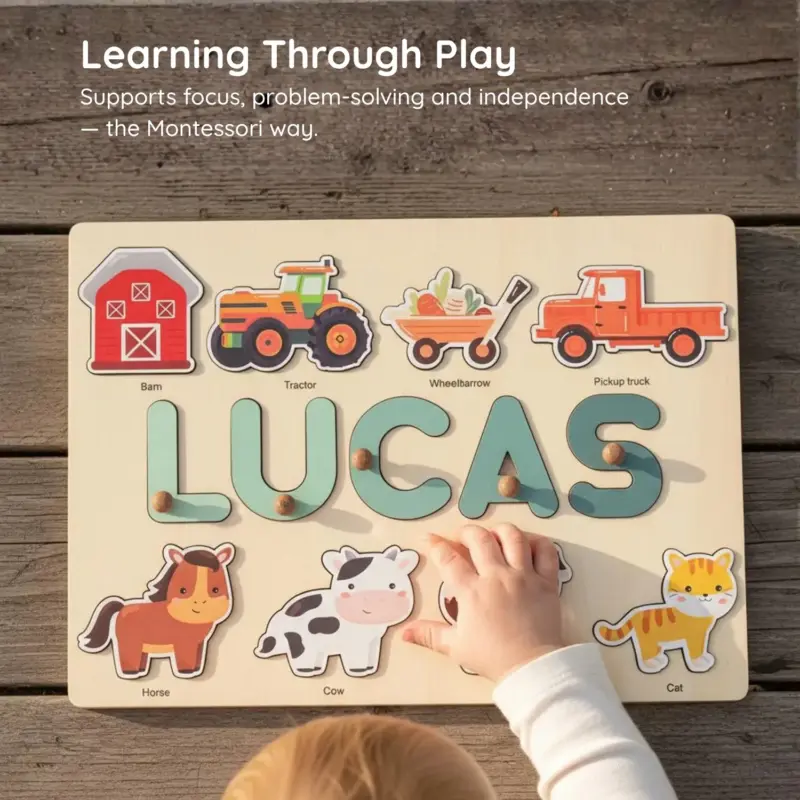


Farm Theme – Wooden Montessori Name Puzzle
Total for Kit 3: $187.95 — the complete independence shelf.
Why 4–5 Toys Is Enough — The Minimum Viable Shelf
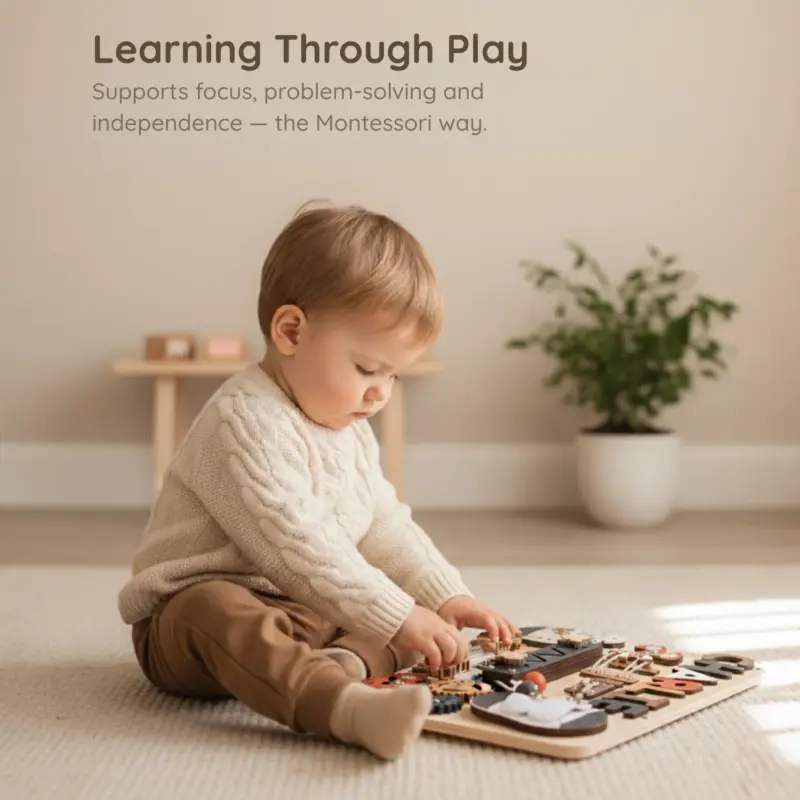
The most counterintuitive truth about Montessori: starting with fewer toys produces more engagement than starting with more. Research from the University of Toledo found that toddlers with access to fewer toys played longer with each one and showed more varied, creative engagement — the cognitive case for a 4–5 item shelf rather than a 15-item one.
A shelf with 4–5 items, each covering a different domain, presents a clear environment. The child surveys all options in a single glance, makes a deliberate selection, and settles into the work cycle concentrated engagement requires. A shelf with 4–5 items, each covering a different domain, presents a clear environment — consistent with the AAP’s clinical finding that child-directed play with open-ended materials produces stronger executive function outcomes than environments with pre-programmed responses.
What “minimum viable” is not: A permanent 4-toy shelf forever. It’s the starting point from which toys rotate as mastery signals appear — new items introduced as old ones are mastered, maintaining the 5–7 item ceiling while the content evolves. The behavioral signals that tell you an item has been mastered — and when to swap it out — are specific and observable; they don’t require a schedule.
How to Introduce Your Starter Kit — The First Session
Having the right toys is step one. Introducing them correctly determines whether the investment produces the concentration you’re expecting.
1. Set up the shelf before your child enters the room. Each item in its own position. All activities in their “problem state” — unassembled, inviting completion. Start with two items if it’s the first time; add others the next day.
2. Introduce one activity at a time. Sit beside your child, demonstrate the first item once — slowly, minimal narration. Then put it down and step back.
3. Don’t hover. Move to a seated position at a distance. The concentration window only opens when the adult stops being the most interesting thing in the room.
4. Observe before intervening. If your child moves to the next item before completing the first, note which held them longest. That item matched their readiness most precisely. Step back — the adult’s role in a Montessori presentation is to observe, not to facilitate. Concentration only opens when the adult stops being the most interesting thing in the room.
Frequently Asked Questions
What should a Montessori starter kit include?
Four to five toys that together cover every developmental domain active at your child’s current age — typically one each from cognitive, fine motor/sensorial, practical life/movement, language/pre-literacy, and creative/auditory. The key is domain coverage, not toy quantity: two fine motor toys in the same kit leaves another domain empty. The specific toys change by age window, but the 4–5 item, one-per-domain framework applies across all stages.
How many Montessori toys does a baby actually need to start?
Four to five is the Montessori-aligned starting point — because a toddler’s attention system produces deeper engagement with 4–5 clearly visible choices than with 15 competing options. Start with four or five; rotate as mastery signals appear. Total toys owned can be 15–20 (stored in rotation); total displayed at any one time should stay at 4–7.
What’s the difference between a starter kit and a subscription play kit?
A starter kit is a one-time curated set for a specific developmental window, covering all active domains. A subscription continuously adds without necessarily removing mastered items — which can exceed the 5–7 item concentration threshold. Subscriptions can also deliver multiple toys for the same domain across consecutive months, creating duplication rather than coverage. The starter kit provides the complete minimum-viable set for one window, then rotates intentionally.
When should I move from one starter kit to the next?
The transition is observation-based, not calendar-based. The behavioral signal: when your child completes most activities in under 30 seconds without sustained engagement — the kit has been mastered. This typically happens over 2–4 months per kit. Some children move through Kit 1 quickly; others spend 6 months deeply engaged. Follow your child’s behavior, not their age.
Are starter kits worth it compared to buying individual toys?
Curated kits eliminate the domain-overlap problem most individual purchases produce. Parents buying one by one often end up with five fine motor toys and nothing in the language domain — a well-stocked shelf with developmental gaps. A kit guarantees domain coverage from the first purchase. Four to five well-chosen toys at $30–45 each typically delivers more developmental return per dollar than twelve random educational toys at $15–20 each.
The Complete Shelf Starts With the Right Four or Five
The Montessori starter kit question is really the “what does my child actually need right now?” question — answered with a developmental framework rather than a wish list. Four or five toys, one per domain, chosen for where your child is this month. That’s the complete shelf. Everything beyond it is rotation.
Find your child’s kit above. Introduce one item at a time. Observe what holds attention longest — that observation is your window into what’s developmentally active right now.
Baby 6–12 months → Start with Kit 1 — The First Montessori Shelf ($122.96)
Toddler 12–18 months → Start with Kit 2 — The Toddler Transition Shelf ($208.95)
Toddler 18 months–3 years → Start with Kit 3 — The Independence Shelf ($187.95)
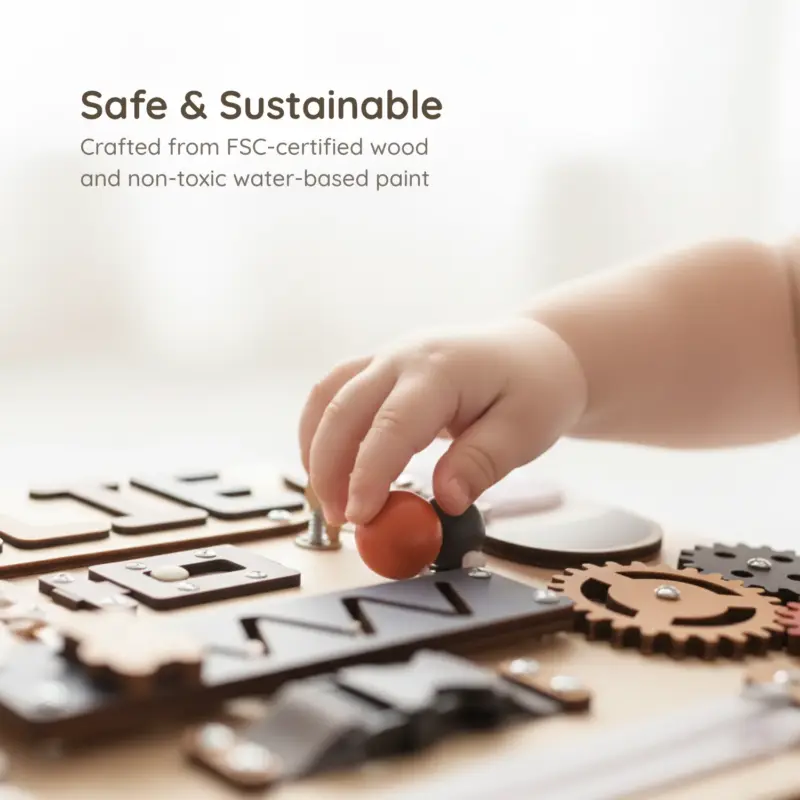
All Kukoo materials are FSC-certified natural wood, ASTM F963 and EN71 certified, battery-free. Shop Kukoo Montessori full collection today!